Your Home Deserves a Painter You Can Trust
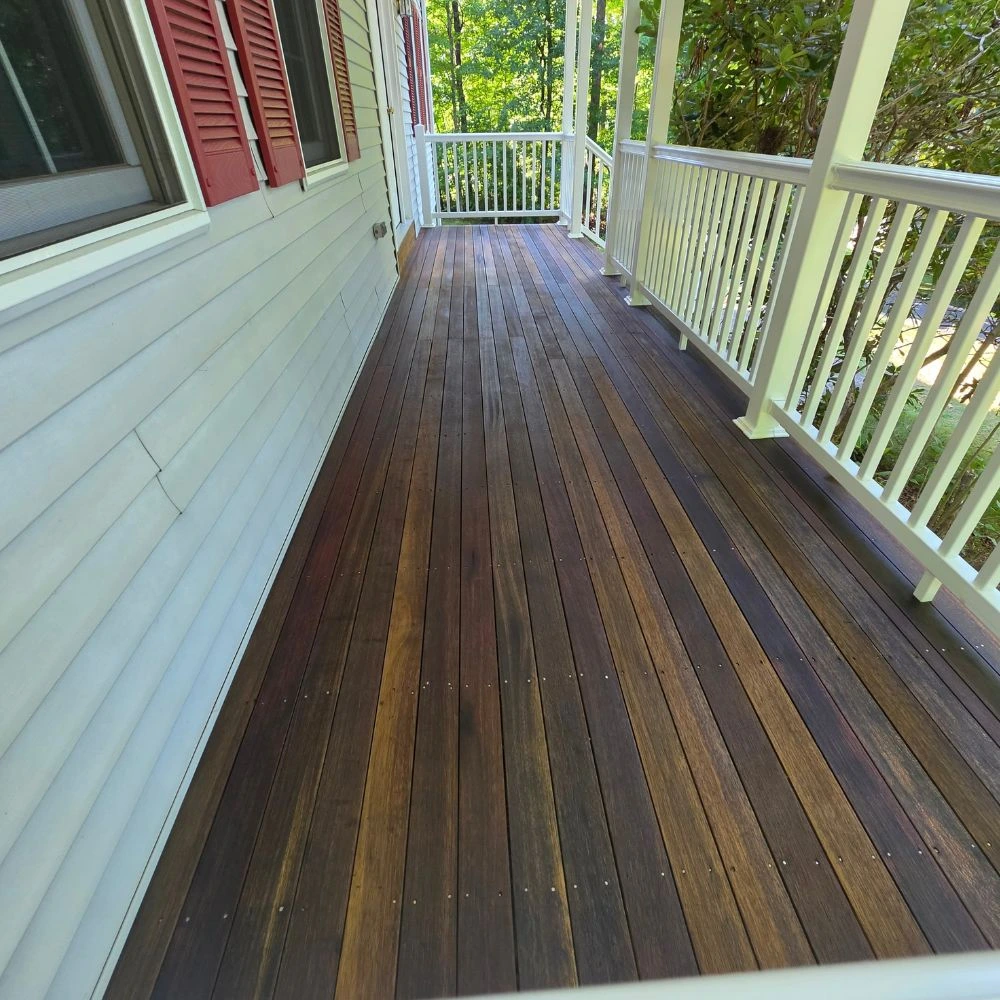
Is mahogany a hardwood? Yes. Mahogany is classified as a hardwood because it comes from broad leaved flowering trees rather than conifers. However, hardwood classification doesn’t automatically mean a wood is extremely hard. Mahogany’s actual hardness, durability, moisture resistance and suitability for painting or staining depend on the species and its intended use.
TL;DR
- Classification: Mahogany is a hardwood, regardless of whether a particular species is relatively soft or hard.
- Hardness: Genuine mahogany is moderately hard compared with many common hardwoods, but different woods sold as mahogany can vary considerably.
- Durability: Some mahogany species have good natural resistance to decay, while others offer less protection against moisture and insects.
- Finishing: Mahogany can be painted, stained or left with a clear finish. Preparation and product selection depend on the wood’s existing condition and intended use.
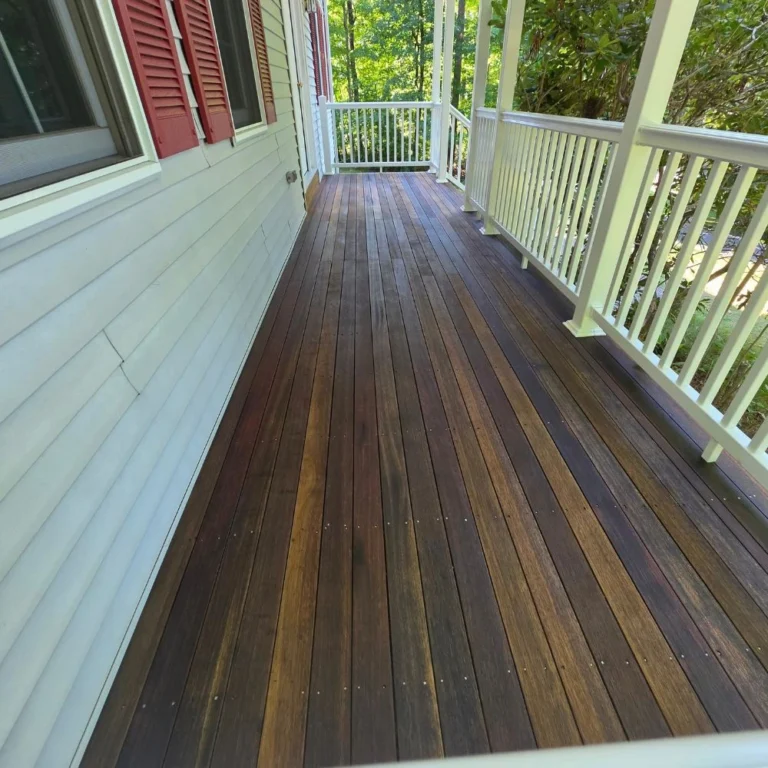
Is Mahogany a Hardwood?
Yes. Genuine mahogany is a hardwood that comes from tropical broad leaved trees in the Swietenia genus. These trees produce wood classified as hardwood because of their botanical characteristics, not because the lumber necessarily has exceptional hardness.
The name mahogany, however, is also used commercially for several other tropical hardwoods. African mahogany (Khaya species) and sapele (Entandrophragma cylindricum) are often sold or described alongside genuine mahogany. They share some characteristics but are not the same species and should not be assumed to perform identically.
For homeowners, this distinction matters when purchasing lumber, evaluating an existing door or piece of furniture or deciding how to finish a surface. Two products labeled mahogany may have different grain patterns, densities, decay resistance and finishing requirements.
What Makes Mahogany a Hardwood?
The terms hardwood and softwood describe two broad botanical groups of trees. Hardwoods generally come from angiosperms, which are flowering plants. Most produce broad leaves and have seeds enclosed within a structure such as a fruit or nut. Softwoods come from gymnosperms, which include conifers such as pine, fir and spruce.
Mahogany belongs to the hardwood group because its source trees are flowering plants. The classification remains the same even when comparing mahogany with a much harder hardwood such as hickory or a relatively soft hardwood such as basswood.
Hardwood Classification vs Actual Wood Hardness
Hardness is a physical property, not a botanical category. It describes how resistant a piece of wood is to indentation and wear. One common way to compare wood hardness is the Janka hardness test. It measures the force needed to embed a steel ball halfway into a wood sample under standardized conditions. A higher Janka rating generally indicates greater resistance to denting from concentrated pressure.
This measurement can help when choosing flooring, furniture or surfaces that may experience frequent contact. It does not, by itself, tell you how well a wood will resist rot, moisture, warping or paint failure.
For example, a hardwood can be relatively easy to dent yet still have useful natural durability. Conversely, a dense wood is not automatically resistant to decay or suitable for every outdoor application.
Why Different Mahogany Species Behave Differently
Genuine mahogany, African mahogany, and other commercially marketed mahogany woods can differ in density, hardness, color, grain and natural durability.
Even within a species, growing conditions and the specific piece of lumber can affect appearance and physical properties. Heartwood, the mature inner wood, may also have different decay resistance from sapwood, the younger outer wood.
When buying mahogany, ask the supplier for the botanical species and, when relevant, whether the lumber is heartwood or sapwood. A trade name alone may not provide enough information to predict how the wood will perform. This is particularly useful when the material will be exposed to rain, changing humidity, sunlight or frequent handling.
Mahogany's Durability and Physical Characteristics
Mahogany is valued for its appearance, workability and use in furniture, doors, cabinetry and other finished wood products. Its performance depends on the particular species, the quality of the lumber, the construction and the environment.
Grain, Density and Stability
Genuine mahogany commonly has a relatively straight grain, although interlocked or irregular grain can occur. Its color ranges from pale pinkish or reddish brown to deeper reddish brown, often darkening with age and exposure to light.
Its grain and workability make it useful for furniture and architectural woodwork. However, a straight grain does not guarantee that every board will remain perfectly flat or resist movement.
Wood is hygroscopic, meaning it absorbs and releases moisture from the surrounding air. As moisture content changes, wood expands and contracts, mainly across the grain. Properly dried lumber, sound construction and a stable indoor environment help limit problems such as gaps, sticking doors and finish cracks.
For painted mahogany, movement can matter at joints, panel edges and areas where different materials meet. A coating protects the surface but does not eliminate the wood’s natural response to humidity.
Resistance to Moisture and Decay
Some mahogany species have good natural resistance to decay, especially their heartwood. This does not mean mahogany is waterproof or immune to fungal damage.
Moisture resistance and decay resistance are related but different. A wood’s ability to tolerate occasional wetting is not the same as its ability to resist fungal deterioration over time. Repeated wetting, poor drainage, trapped moisture and prolonged dampness can create conditions that damage even relatively durable species.
Sapwood may be less resistant than heartwood. The species, exposure and condition of the lumber also matter. For exterior projects, the design and maintenance of the finished assembly are as important as the wood species. Water shedding details, sealed end grain where suitable, functioning drainage and prompt repair of damaged coatings help reduce moisture problems.
What Durability Means for Homeowners
For a homeowner, durability is not simply a question of whether mahogany is hard. It involves several separate characteristics:
- Dent resistance: How well the surface withstands impacts and pressure.
- Wear resistance: How well it tolerates repeated contact, abrasion and handling.
- Dimensional stability: How much it moves as moisture conditions change.
- Decay resistance: How well the wood resists fungal deterioration under favorable conditions for decay.
- Finish performance: How well the paint, stain or clear coating adheres and holds up in its environment.
A mahogany entry door may have good structural and aesthetic qualities but still develop finish problems if exposed to direct sun and rain without suitable protection. A mahogany cabinet door indoors faces a different set of conditions and may need a different finishing system.
Common Uses for Mahogany
Mahogany is used in several residential applications because of its appearance, workability, and availability in different lumber forms. The particular species and its intended environment should guide the choice.
- Doors: Mahogany is used for interior and exterior doors, including decorative entry doors. Exterior doors need a finish and maintenance schedule suited to their exposure.
- Cabinets: Its grain and reddish brown color make it a popular option for traditional and contemporary cabinetry. Painted cabinets require sound preparation and a compatible coating system.
- Furniture: Tables, chairs, desks, dressers and other furniture can use mahogany for its appearance and ability to be shaped and finished.
- Interior trim and millwork: Mahogany can be used for decorative moldings, casings, stair components and other architectural details.
- Boatbuilding: Certain mahogany species have a history of use in marine woodworking, although species selection, construction and protective finishes remain essential.
- Exterior woodwork: Some species are used for outdoor applications, but the actual lumber’s decay resistance and exposure conditions must be considered.
Mahogany is less commonly selected simply because it is the hardest available wood. Its appeal often comes from its combination of appearance, workability and physical properties.
Book Your Free Estimate Today!
Ready to transform your space? Our team is here to help you get started with a no-obligation, on-site estimate. Whether it’s a quick refresh or a full makeover, we’ll guide you every step of the way.
Can Mahogany Be Painted, Stained or Refinished?
Yes. Mahogany can be painted, stained or refinished, but the right process depends on whether the wood is bare, previously coated, damaged or exposed to the weather.
The first decision is whether to preserve the natural grain or cover it. A clear finish or stain allows the grain to remain visible. Paint conceals most of the wood’s natural color and pattern, making surface preparation and primer selection particularly important.
Preparing Mahogany Before Painting or Staining
Preparation starts with identifying the existing finish and checking the condition of the wood. A new, unfinished board requires a different approach from an old door with peeling varnish or a cabinet previously painted several times. A practical preparation sequence is:
Inspect the surface. Look for peeling coatings, cracks, loose joints, dents, water damage and dark discoloration. Identify whether the surface is bare wood, stained, varnished, painted or coated with an unfamiliar product. Clean the wood. Remove dirt, oils, wax and household residue using a cleaner compatible with the surface. Let the wood dry before sanding or applying coatings. Remove failing finishes. Scrape or strip loose and incompatible coatings as needed. Sound existing finishes may sometimes be prepared and recoated without removing every layer. Sand where necessary. Sanding can smooth rough areas, remove surface imperfections and create a suitable profile for the next coating. Use a sensible progression of abrasives rather than removing more wood than necessary. Remove sanding dust. Vacuum and wipe the surface using a method compatible with the coating manufacturer’s instructions. Repair defects. Fill suitable small imperfections with a compatible filler. Larger structural damage, loose joints or active moisture problems need to be addressed before finishing.
Mahogany’s grain can be relatively open, depending on the species and board. If a perfectly smooth, glass like painted surface is the goal, additional filling and sanding may be necessary. The amount of work depends on the grain and the finish standard.
For older painted wood, take precautions before disturbing the coating. In homes where lead based paint may be present, testing and appropriate lead safe procedures may be necessary before sanding or scraping.
Painting Mahogany
Mahogany can be painted successfully when the surface is clean, sound, properly prepared and coated with products compatible with the wood and its existing finish.
A common concern is discoloration or staining that becomes visible through paint. Certain woods and existing finishes can contribute extractives or stains that migrate into a coating. Mahogany’s behavior varies, so a primer should be selected based on the actual surface and the coating system rather than on the wood’s name alone.
For bare mahogany, the primer manufacturer’s guidance should determine whether a bonding primer, stain blocking primer or another compatible product is needed. If the surface has an existing varnish or paint, adhesion may be the primary concern. Some projects need a bonding primer after cleaning and sanding; others may need a stain blocking product as well.
Before painting a prominent surface, test the intended primer and paint on a small, inconspicuous area when possible. Allow the products to dry as directed and check for adhesion, discoloration and compatibility before proceeding. Paint selection should reflect the location:
- Interior trim and doors: Use a quality interior trim enamel or another coating specified for woodwork. Consider the expected handling, cleaning and wear.
- Cabinetry: Choose a coating intended for cabinets or interior woodwork, with suitable hardness and adhesion after curing.
- Exterior doors and woodwork: Use an exterior rated primer and topcoat system that is compatible with the wood and intended exposure. Follow the manufacturer’s requirements for end grain, edges and maintenance.
Do not assume that a product suitable for interior mahogany will perform well outdoors. Sunlight, rain, temperature changes and repeated wetting place different demands on a finish.
Staining and Refinishing Mahogany
Staining is an option when the goal is to change or deepen mahogany’s color while retaining visible grain. However, mahogany already has a natural color and stain may look different across species, boards and previously finished surfaces.
Before staining, determine whether the existing coating must be removed. Applying stain over an intact varnish generally will not produce the same result as applying it to bare wood. A compatible tinted coating or glaze may be an alternative when retaining an existing finish is important.
On bare wood, test the stain on an offcut from the same material or a hidden area. Look at the sample after it dries and consider how the protective topcoat changes the color and sheen. A clear finish can deepen the appearance of the wood and make color differences more noticeable.
Refinishing may also involve removing an old clear coat, correcting surface damage and applying a new protective finish. Sanding should be controlled, especially on thin veneer, carved details and edges where excessive material removal can cause permanent damage.
For exterior mahogany, select a finish specifically intended for exterior wood and the actual exposure. Transparent and semi transparent finishes may require more frequent maintenance than opaque paint, depending on the product and conditions. No finish eliminates the need to inspect exposed wood periodically.
When the work involves extensive surface repair, multiple existing coatings or a prominent entry door, a professional assessment can help identify the preparation and coating requirements before work begins. Pro A&M Painting can help homeowners evaluate painting needs for residential woodwork, including the condition of existing surfaces and the preparation required for a new finish.
Conclusion
Yes, mahogany is a hardwood, based on its botanical classification as wood from a flowering tree. Its actual hardness and durability depend on the species, and those properties should not be confused with its hardwood designation.
For homeowners, the most useful distinction is between the type of wood and the conditions it must withstand. A mahogany cabinet, interior door and exterior entry door have different finishing requirements, even if they share a similar appearance.
Before painting, staining or refinishing mahogany, identify the wood as closely as possible, inspect its existing finish and choose preparation and coatings for the specific application. That approach helps you make a sound decision without assuming every mahogany surface behaves the same way.