Your Home Deserves a Painter You Can Trust

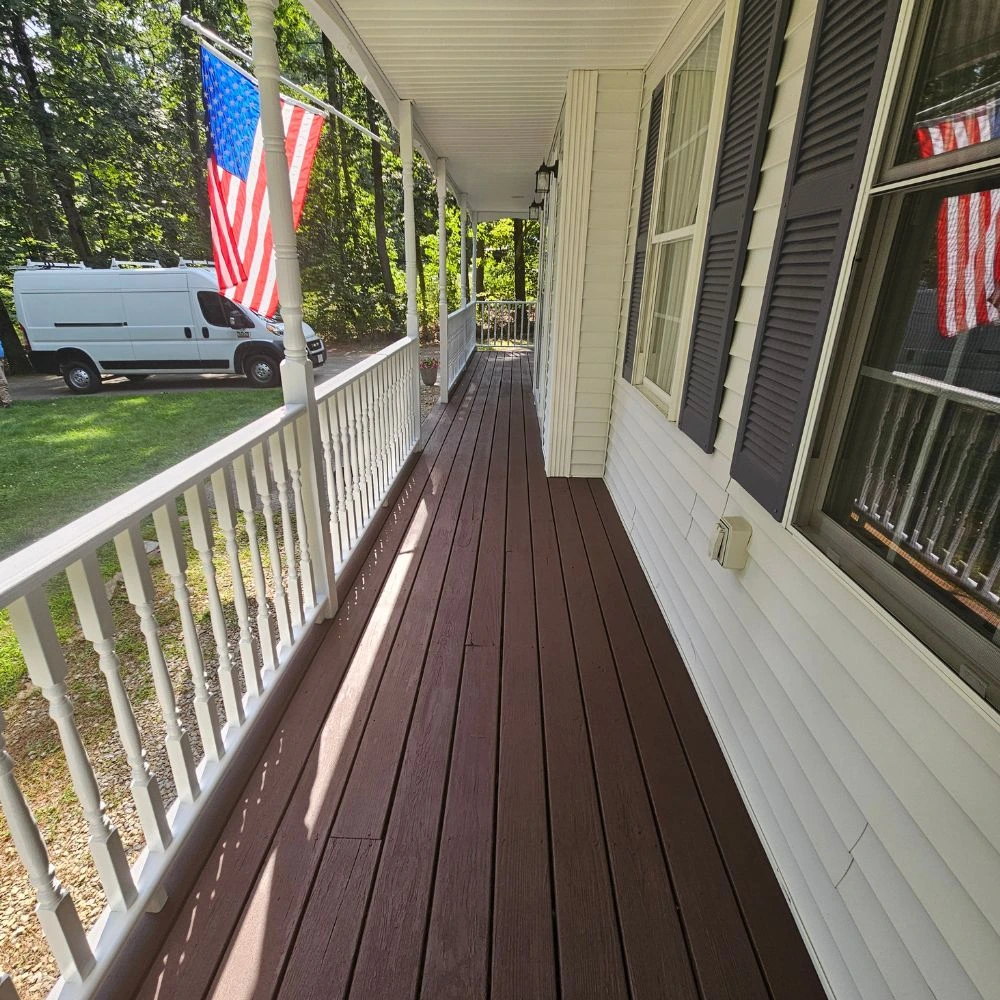
Building a long lasting deck starts with choosing the right wood. The best hardwood for decks combines durability, moisture resistance, stability and low maintenance. Contractors often recommend Ipe, Cumaru, Tigerwood and Mahogany because they handle weather, foot traffic and outdoor exposure better than many softwoods and composite alternatives.
TL;DR
- Hardwood decks can last 25 to 50 years with proper maintenance.
- Ipe is one of the most durable decking woods available.
- Cumaru offers a similar look to Ipe at a lower price point.
- Hardwood decking naturally resists rot, insects and moisture.
- Proper installation matters as much as material selection.
- Oil based maintenance helps preserve color and performance.
- Dense hardwoods stay stable in changing temperatures.
- Choosing the best hardwood for decks depends on climate, budget and maintenance goals.
A deck is not just an outdoor platform. It becomes a gathering space, an extension of the home and a long term investment. Choosing the wrong material can lead to warping, cracking, fading and expensive repairs within a few years. Choosing the right hardwood gives homeowners durability, beauty and stronger long term value.
Professional contractors look beyond appearance when selecting decking materials. They consider density, moisture resistance, movement, maintenance requirements and performance in real world weather conditions. This blog breaks down the best hardwood for decks and explains what homeowners should know before making a final decision.
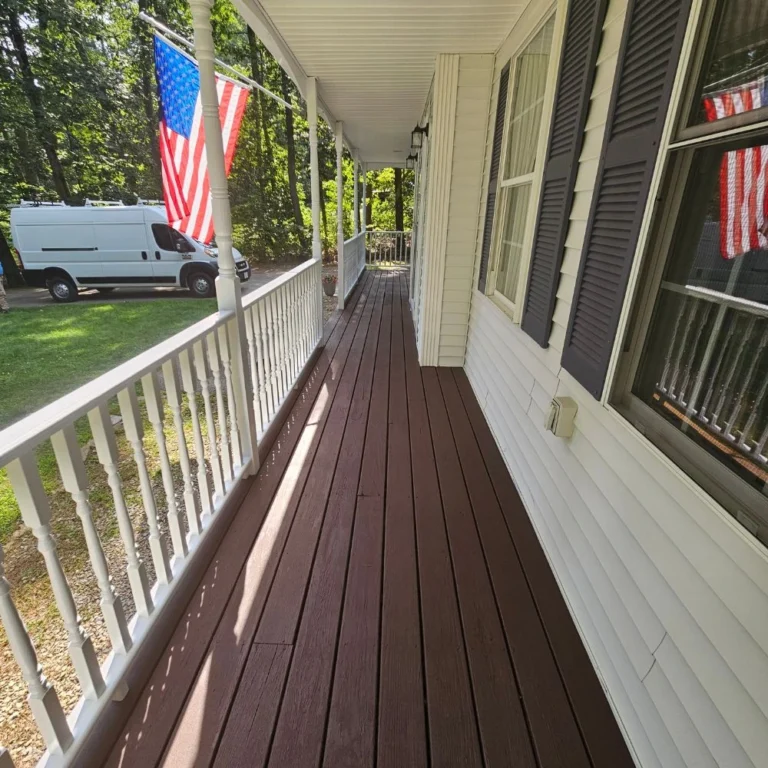
Why Hardwood Is a Smart Choice for Decking
Hardwood decking has earned a strong reputation because it performs exceptionally well outdoors. Unlike many pressure treated woods, hardwood species contain dense fibers and natural oils that help resist moisture, decay, insects and weather damage.
For homeowners who want a premium deck with long term durability, hardwood is often the preferred option.
Benefits of Hardwood Decking
1. Exceptional Durability
Hardwoods are significantly denser than softwoods. That density helps reduce cracking, denting, and structural wear over time. Many hardwood decks can last several decades when maintained correctly.
2. Natural Resistance to Rot and Insects
Species like Ipe and Cumaru naturally resist termites, mold and fungal growth without relying heavily on chemical treatments.
3. High End Appearance
Hardwood decking delivers rich color variation and elegant grain patterns that elevate outdoor spaces. These materials create a more refined appearance compared to standard treated lumber.
4. Better Long Term Value
While hardwood costs more upfront, the lifespan often offsets replacement and maintenance expenses associated with lower grade materials.
Signs You Need a Durable Hardwood Deck
- Your deck receives direct sunlight all day.
- You live in an area with heavy rain or humidity.
- Your current deck boards are cracking or warping.
- You want lower long term maintenance.
- You plan to stay in your home for many years.
- You want better resale appeal.
Many contractors recommend hardwood because it performs consistently under real environmental stress. The best hardwood for decks should not only look good on installation day but continue performing years later.
Best Hardwood for Decks: Top Contractor Recommendations
Not all hardwoods perform equally outdoors. Some species offer better stability, while others provide stronger moisture resistance or lower maintenance needs. Below are the hardwoods contractors trust most for residential decking projects.
1. Ipe Decking
Ipe is widely considered one of the best hardwood options available for outdoor decks. It comes from South America and is known for its incredible density and longevity.
Why Contractors Recommend Ipe
- Extremely resistant to rot and insects.
- Lifespan often exceeds 40 years.
- Dense structure resists scratches and dents.
- Handles harsh weather exceptionally well.
- Fire resistance comparable to concrete and steel in some testing conditions.
Ipe has a rich brown appearance with subtle grain variation. Over time, it naturally weathers into a silver gray patina if left untreated.
Things Homeowners Should Know
- Higher upfront material cost.
- Requires specialized tools during installation.
- Dense boards may need pre drilling.
- Annual oiling helps preserve original color.
For homeowners prioritizing longevity, many builders consider Ipe the best hardwood for decks available today.
2. Cumaru Decking
Cumaru is often called Brazilian Teak. It offers durability similar to Ipe while typically costing less.
Why Cumaru Is Popular
- Strong resistance to moisture and decay.
- Excellent hardness rating.
- Warm golden brown appearance.
- Lower price than premium exotic hardwoods.
- Long lifespan with proper maintenance.
Cumaru performs especially well in climates with heavy seasonal weather changes because of its stability.
Best Applications for Cumaru
- Large backyard decks.
- Pool decks.
- High traffic entertainment spaces.
- Homes in humid climates.
Cumaru provides a balance between performance and affordability, making it a strong contender for the best hardwood for decks in residential projects.
3. Tigerwood Decking
Tigerwood stands out visually because of its dramatic grain contrast and rich color variation.
What Makes Tigerwood Unique
- Distinct striped appearance.
- Strong hardness and durability.
- Natural resistance to insects.
- Performs well outdoors.
- Adds luxury curb appeal.
Homeowners who want a deck with a bold visual statement often choose Tigerwood.
Maintenance Considerations
Tigerwood requires periodic sealing or oiling to maintain its vibrant appearance. Without maintenance, the color can fade over time.
4. Mahogany Decking
Mahogany remains a classic decking material because of its smooth grain and elegant finish.
Advantages of Mahogany
- Easy to work with during installation.
- Attractive reddish brown color.
- Stable and less prone to movement.
- Comfortable underfoot in hot weather.
- Strong natural beauty.
Mahogany may not be as hard as Ipe or Cumaru, but it still performs well when properly maintained.
Best Uses for Mahogany
- Covered decks.
- Luxury outdoor living areas.
- Decorative deck accents.
- Coastal homes with proper sealing.
Book Your Free Estimate Today!
Ready to transform your space? Our team is here to help you get started with a no-obligation, on-site estimate. Whether it’s a quick refresh or a full makeover, we’ll guide you every step of the way.
How to Choose the Best Hardwood for Decks
Choosing the right decking material involves more than appearance. Contractors evaluate climate, exposure, maintenance expectations and budget before recommending a hardwood species.
Climate Matters
Different hardwoods react differently to weather conditions.
1. Hot and Sunny Climates
Dense hardwoods like Ipe handle sun exposure extremely well. They resist drying and cracking better than many alternatives.
2. Humid or Rainy Regions
Cumaru and Ipe both perform exceptionally well in wet environments because of their natural moisture resistance.
3. Coastal Areas
Salt air and moisture require stable materials with strong resistance to rot. Mahogany and Ipe are common coastal choices.
Budget Considerations
Hardwood decking varies significantly in cost.
Higher End Investment
- Ipe
- Premium Mahogany
Mid Range Value
- Cumaru
- Tigerwood
Homeowners should also factor in installation labor because hardwood decking often requires more precision and specialized tools.
Maintenance Expectations
Every decking material requires some level of maintenance.
Lower Maintenance Options
- Ipe typically requires less structural maintenance because of its density and resistance to decay.
Appearance Maintenance
- Oil treatments help preserve color richness across all hardwood species.
Questions Homeowners Should Ask Before Choosing
- How much direct sunlight does the deck receive?
- Will the deck surround a pool or water feature?
- Do you prefer natural aging or preserved color?
- How much annual maintenance are you comfortable with?
- What is your long term budget?
The best hardwood for decks depends on how the space will be used and how much long term upkeep homeowners are prepared to handle.
Book Your Free Estimate Today!
Ready to transform your space? Our team is here to help you get started with a no-obligation, on-site estimate. Whether it’s a quick refresh or a full makeover, we’ll guide you every step of the way.
Hardwood Deck Installation and Maintenance Tips
Even premium hardwood can fail prematurely if installed incorrectly. Professional installation techniques directly affect deck lifespan and performance.
Proper Installation Makes a Difference
Dense hardwoods require careful spacing and fastening.
Important Installation Practices
- Use stainless steel fasteners.
- Allow proper airflow beneath decking.
- Pre drill dense hardwood boards.
- Maintain correct board spacing.
- Install over a stable framing system.
Improper installation can lead to trapped moisture, board movement and structural issues.
Routine Maintenance Protects Your Investment
Hardwood decks are durable, but regular care extends their lifespan significantly.
Annual Maintenance Checklist
- Sweep debris regularly.
- Wash surface dirt and mildew.
- Inspect for loose fasteners.
- Apply deck oil when needed.
- Remove standing water buildup.
Should You Stain Hardwood Decking?
Most contractors recommend penetrating oils instead of heavy film forming stains. Oils nourish the wood while allowing natural expansion and contraction.
Common Mistakes Homeowners Make
Ignoring Moisture Drainage
- Poor drainage creates moisture buildup under decking boards.
Using the Wrong Fasteners
- Standard screws can corrode and stain hardwood surfaces.
Skipping Maintenance for Years
- Even durable hardwood benefits from occasional cleaning and oiling.
At Pro A&M Painting, homeowners often ask about preserving outdoor wood surfaces after installation. Proper sealing and maintenance play a major role in protecting hardwood decks from weather exposure and maintaining curb appeal over time.
Book Your Free Estimate Today!
Ready to transform your space? Our team is here to help you get started with a no-obligation, on-site estimate. Whether it’s a quick refresh or a full makeover, we’ll guide you every step of the way.
Is Hardwood Better Than Composite Decking?
Many homeowners compare hardwood decking with composite materials before making a final decision.
Composite decking offers lower maintenance, but hardwood provides a more natural appearance and often better structural strength.
Hardwood vs Composite Comparison
Hardwood Advantages
- Natural wood grain and texture.
- Stronger premium appearance.
- Longer lifespan in many cases.
- Better heat resistance underfoot.
- Higher resale appeal for luxury homes.
Composite Advantages
- Lower maintenance.
- No staining required.
- Resistant to splintering.
- Consistent color options.
Which Option Is Better?
The answer depends on priorities. Homeowners who value authentic wood appearance and long term durability often prefer hardwood. Those seeking minimal maintenance may lean toward composite products.
Contractors frequently recommend hardwood for high end outdoor living spaces because of its performance and visual impact.
Conclusion
Choosing the best hardwood for decks is about balancing durability, beauty, maintenance and long term value. Ipe continues to lead the market for strength and longevity, while Cumaru offers exceptional performance at a more approachable price point. Tigerwood delivers striking visual appeal and Mahogany remains a timeless option for elegant outdoor spaces.
A quality deck is not only about the boards you see on the surface. Proper installation, climate compatibility and routine maintenance all contribute to long term performance.
Homeowners who invest in premium hardwood decking typically gain a stronger outdoor living experience, better structural durability and improved property appeal over time.
For homeowners planning deck upgrades or exterior wood refinishing, working with experienced professionals matters. Pro A&M Painting understands how outdoor surfaces respond to weather, moisture and long term exposure, helping homeowners protect their investments with proper preparation and finishing techniques.
When selecting decking materials, focus on performance first and appearance second. The right hardwood will deliver both.