Your Home Deserves a Painter You Can Trust

TL;DR
- Mold on a bathroom ceiling is usually caused by excess moisture, poor ventilation and lingering humidity after showers.
- Small areas of surface mold can often be cleaned safely using vinegar, hydrogen peroxide, bleach or a commercial mold remover, depending on the situation.
- Wearing proper protective equipment helps reduce exposure to mold spores during cleaning.
- If mold keeps returning, fixing the moisture problem is just as important as removing the visible growth.
- Water damage, soft drywall or large areas of mold may require professional remediation instead of DIY cleaning.
- Mold resistant primer and paint can help reduce future growth after the ceiling has been cleaned and completely dried.
- Regular bathroom maintenance, better airflow and lower humidity levels are the best long term defenses against recurring mold.
Few things make a bathroom look neglected faster than dark spots spreading across the ceiling. Even in a clean home, bathroom ceiling mold can appear because bathrooms naturally create the perfect environment for moisture to build up. Hot showers, limited airflow and lingering condensation allow mold spores to settle and grow on painted surfaces.
If you’ve been searching for how to remove mold from bathroom ceiling, you’re probably wondering whether you can clean it yourself, what products actually work and how to keep it from coming back. The good news is that many small mold problems can be handled safely with the right approach.
This blog explains why mold develops, which cleaning solutions are most effective, when repainting is necessary and what steps will help keep your bathroom ceiling clean for years to come.
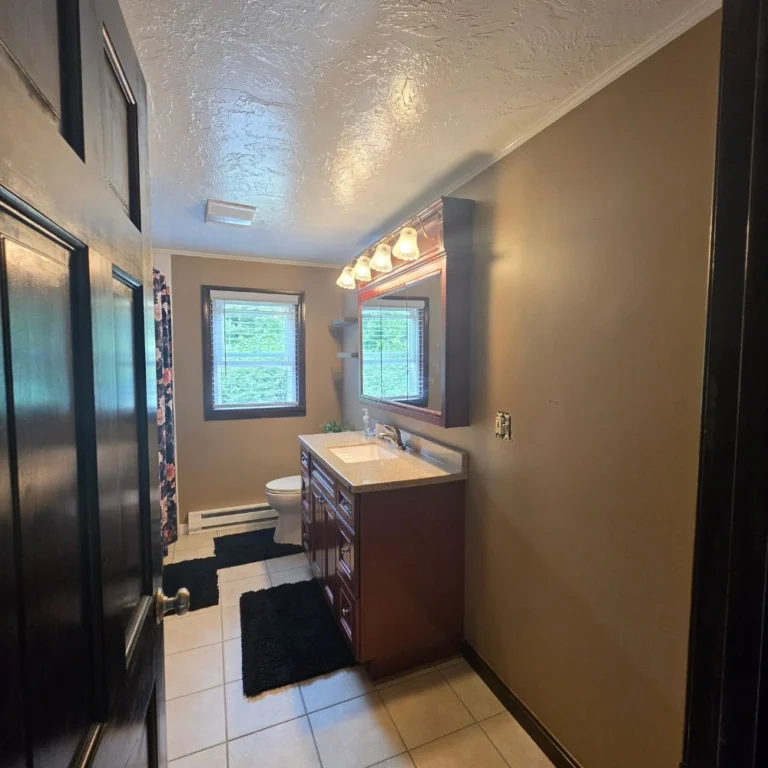
Why Mold Forms on Bathroom Ceilings
Mold doesn’t suddenly appear overnight. It develops when three conditions come together:
- Moisture.
- Organic material to feed on.
- Limited airflow.
Bathroom ceilings frequently meet all three conditions. Even painted drywall can collect dust and microscopic organic particles that mold can feed on when enough moisture is present.
Warm air naturally rises. During a hot shower, steam moves upward and condenses on the ceiling. If that moisture stays there long enough, mold begins to grow.
Common Causes
Understanding why mold forms makes it much easier to prevent future problems.
1. Poor bathroom ventilation
An undersized or broken exhaust fan allows humid air to remain trapped inside the room. Instead of leaving the bathroom, the moisture settles onto the ceiling where mildew and mold begin developing.
2. High humidity
Some bathrooms remain humid for an hour or more after every shower. Without proper ventilation, repeated exposure creates ideal growing conditions.
3. Condensation
Cold ceiling surfaces collect water droplets from warm steam. Even small amounts of repeated condensation encourage mold growth over time.
4. Roof or plumbing leaks
Not every stain is caused by shower steam. Water damage from a roof leak or leaking plumbing fixture can keep drywall damp continuously. If moisture is entering from above, cleaning alone won’t solve the problem.
5. Inadequate paint protection
Older paint may no longer resist moisture effectively. Bathrooms painted without a quality primer or mold resistant paint are often more susceptible to staining and mold growth.
6. Poor air circulation
Keeping the bathroom door closed all day after showers prevents moist air from escaping. Limited airflow allows damp surfaces to remain wet much longer.
Is Bathroom Ceiling Mold Dangerous?
Not every patch of mold creates a serious health risk, but it should never be ignored. Mold continues spreading as long as moisture remains available and the longer it grows, the more difficult removal becomes.
The appearance of mold also indicates an underlying moisture issue that deserves attention. Removing the visible stains without fixing excess humidity often results in the mold returning within weeks or months.
Health Risks
People respond differently to mold exposure. Some homeowners notice no symptoms, while others experience:
- Sneezing.
- Nasal congestion.
- Coughing.
- Watery eyes.
- Skin irritation.
- Worsening allergy symptoms.
Individuals with asthma, allergies, weakened immune systems or certain respiratory conditions may be more sensitive to mold spores circulating in the air.
During mold removal, disturbing the affected surface can release additional spores. That’s why wearing gloves, eye protection and an N95 mask is recommended, even when cleaning relatively small areas.
If mold covers a large section of the ceiling or has penetrated into damaged drywall, avoid scraping or sanding it without understanding the source of the problem first.
Book Your Free Estimate Today!
Ready to transform your space? Our team is here to help you get started with a no-obligation, on-site estimate. Whether it’s a quick refresh or a full makeover, we’ll guide you every step of the way.
How to Remove Mold From Bathroom Ceiling
Knowing how to remove mold from bathroom ceiling starts with preparing the area properly. Rushing into the job without protecting yourself or using the right cleaning method can spread mold spores or damage the ceiling finish.
Fortunately, many surface level mold problems can be removed with common household products when handled carefully.
Tools You’ll Need
Gather everything before you begin so you won’t need to stop in the middle of the cleaning process. Recommended supplies include:
- Safety glasses.
- N95 respirator or dust mask.
- Rubber gloves.
- Long sleeved clothing.
- Spray bottle.
- Soft sponge.
- Microfiber cloths.
- Soft bristle brush.
- Step ladder.
- Plastic drop cloth.
- Bucket of clean water.
- Cleaning solution of your choice.
- Fan for drying the room afterward.
Avoid using abrasive scrub brushes or metal tools. These can damage painted ceilings and roughen the surface, making it easier for moisture to collect later.
Step by Step Instructions
Step 1: Improve ventilation before cleaning
Open any available windows and turn on the bathroom exhaust fan. Better airflow helps reduce airborne moisture and limits the concentration of mold spores while you work. If your bathroom has no window, leave the door open and use a portable fan outside the room to encourage fresh air circulation.
Step 2: Protect surrounding surfaces
Lay plastic sheeting or old towels over the floor, vanity and fixtures. Some cleaning products may drip from the ceiling during application.
Step 3: Put on protective equipment
Wear gloves, eye protection and an N95 mask before disturbing the mold. Even small patches can release spores into the air when scrubbed.
Step 4: Apply your cleaning solution
Spray the affected area until it is evenly damp but not dripping excessively. Allow the cleaner to remain on the surface for several minutes. This dwell time gives the solution an opportunity to break down mold instead of requiring aggressive scrubbing.
Step 5: Gently clean the surface
Using a soft sponge or microfiber cloth, wipe away the loosened mold. If necessary, use a soft bristle brush with light pressure on stubborn spots.
Avoid excessive scrubbing, especially on painted drywall. Removing too much paint can expose porous material underneath, making future moisture problems more likely.
Step 6: Rinse if appropriate
Some cleaning products benefit from a light wipe with clean water afterward, while others do not require rinsing. Follow the manufacturer’s directions if using a commercial cleaner.
Step 7: Dry the ceiling completely
Drying is one of the most overlooked parts of how to remove mold from bathroom ceiling. Leaving moisture behind can allow mold to return quickly.
Keep the exhaust fan running, increase air circulation with a portable fan if needed and allow the ceiling to dry thoroughly before evaluating whether additional cleaning is necessary.
Step 8: Inspect the results
After the surface is completely dry, examine the ceiling under good lighting. If only faint staining remains and the paint is intact, another gentle cleaning may improve the appearance. However, persistent discoloration often indicates that the stain has penetrated the paint film, meaning a stain blocking primer and repainting may be required after confirming the mold has been fully removed.
For homeowners who aren’t comfortable working on ladders, have recurring moisture issues or notice damaged drywall, experienced painters such as Pro A&M Painting can evaluate whether the ceiling simply needs cleaning and repainting or whether the underlying moisture problem should be addressed before new paint is applied.
Book Your Free Estimate Today!
Ready to transform your space? Our team is here to help you get started with a no-obligation, on-site estimate. Whether it’s a quick refresh or a full makeover, we’ll guide you every step of the way.
Best Cleaning Solutions for Bathroom Ceiling Mold
Not every cleaning product works the same way. The best choice depends on how severe the mold is, the condition of your ceiling and whether you’re dealing with surface stains or a recurring moisture problem.
It’s also important to remember that no cleaner can permanently solve mold if excessive moisture remains. Even the most effective mold removal products will only provide temporary results if the bathroom continues to trap humidity after every shower.
1. Vinegar
White distilled vinegar is one of the most popular household solutions for bathroom ceiling mold. Unlike many general purpose cleaners, vinegar has mild acidic properties that help break down mold growing on hard, painted surfaces.
Why homeowners choose vinegar
- Readily available.
- Inexpensive.
- Doesn’t produce strong chemical fumes.
- Can reach small pores in painted surfaces.
- Suitable for light to moderate mold growth.
To use vinegar, pour it into a clean spray bottle without diluting it. Spray the affected area until it’s damp and let it sit for about an hour. This gives the vinegar time to penetrate the mold before wiping it away with a soft cloth or sponge.
One advantage of vinegar is that it leaves behind very little residue. After the ceiling dries, inspect the area carefully. A second application may be necessary if faint stains remain.
Avoid mixing vinegar with bleach or other cleaning chemicals. Combining products can create dangerous fumes.
2. Hydrogen Peroxide
Hydrogen peroxide is another excellent option for removing mold from painted ceilings. A standard 3% solution works well for many household applications. Hydrogen peroxide helps by:
- Breaking down mold growth.
- Lightening some ceiling stains.
- Sanitizing the cleaned area.
- Producing fewer strong odors than bleach.
Spray the solution directly onto the mold and allow it to remain for about 10 to 15 minutes before gently wiping the surface.
Because hydrogen peroxide can have a mild bleaching effect, test it on an inconspicuous area first if your bathroom ceiling has colored paint instead of white paint.
For homeowners looking for an alternative to bleach, hydrogen peroxide often provides an effective balance between cleaning power and ease of use.
3. Bleach
Bleach has long been associated with mold cleanup, but it’s often misunderstood. While bleach can remove visible mold staining from many painted surfaces, it doesn’t always penetrate porous materials deeply enough to eliminate mold growing beneath the paint or inside drywall. Bleach works best when:
- Mold is limited to the painted surface.
- The ceiling is still structurally sound.
- There is no hidden water damage.
- Proper ventilation is available.
If using bleach, always dilute it according to the manufacturer’s directions. Never use a stronger concentration than recommended.
Safety is especially important when working overhead. Wear gloves and eye protection to prevent splashes from contacting your skin or eyes.
Keep windows open and run the exhaust fan during cleaning to reduce fumes.
Never mix bleach with:
- Vinegar.
- Ammonia.
- Hydrogen peroxide.
- Other household cleaners.
Mixing chemicals can create hazardous gases that pose serious health risks.
4. Commercial Mold Removers
Several commercial mold removal products are specifically formulated for bathrooms. These products often contain ingredients designed to cling to vertical or overhead surfaces longer than homemade solutions. A quality commercial cleaner may be worth considering when:
- Mold covers several small sections of the ceiling.
- Previous cleaning attempts were unsuccessful.
- Heavy ceiling stains remain.
- You want a product designed specifically for mold removal.
When choosing a product, read the label carefully to confirm it is appropriate for painted drywall and indoor residential use.
Always follow the manufacturer’s instructions regarding contact time, ventilation requirements, and rinsing procedures.
Remember that even the best commercial cleaner cannot compensate for poor bathroom ventilation or ongoing moisture problems.
Common Mistakes to Avoid
Many homeowners successfully clean mold only to see it return a few months later. In most cases, the cleaning process wasn’t the real problem. Instead, one or more common mistakes allowed mold to grow again.
Cleaning without fixing the moisture source
This is the biggest mistake people make. If condensation continues forming on the ceiling after every shower, mold spores will eventually return regardless of which cleaning solution you use. Always identify whether the moisture comes from:
- Long hot showers.
- An ineffective exhaust fan.
- A plumbing leak.
- Roof damage.
- Poor insulation.
- Excess indoor humidity.
Addressing the underlying cause is the only reliable long term solution.
Painting over mold
Fresh paint cannot kill mold. Painting over active mold simply traps it beneath the coating, allowing it to continue growing underneath. Over time, discoloration often bleeds through the new paint, causing peeling, bubbling or additional staining.
Before repainting, make sure the ceiling is clean, completely dry and free of active mold.
Using excessive force
Aggressive scrubbing may seem like the quickest solution, but it can damage painted drywall. Deep scratches or worn paint create rough areas where moisture collects more easily. Gentle cleaning with adequate dwell time is usually more effective than heavy scrubbing.
Ignoring soft drywall
If the ceiling feels soft, swollen or crumbly, cleaning alone won’t solve the issue. Water damage weakens drywall and mold may already be growing beneath the painted surface. Replacing damaged materials is often necessary before repainting.
Forgetting to dry the ceiling
One of the most important steps in how to remove mold from bathroom ceiling is allowing the surface to dry completely afterward. Even a successful cleaning can be undermined if moisture remains trapped in the room.
Run the exhaust fan for at least 20 to 30 minutes after cleaning and continue improving airflow until the ceiling is fully dry.
Book Your Free Estimate Today!
Ready to transform your space? Our team is here to help you get started with a no-obligation, on-site estimate. Whether it’s a quick refresh or a full makeover, we’ll guide you every step of the way.
How to Prevent Mold from Returning
Removing visible mold is only half the job. The real goal is creating an environment where mold struggles to grow in the first place. Since mold spores naturally exist in the air, complete elimination isn’t realistic. What you can control is the amount of moisture available for those spores to thrive.
A few consistent maintenance habits can significantly reduce the chances of seeing mold return to your bathroom ceiling.
Improve Ventilation
Ventilation is your first line of defense against excess moisture. Every shower fills the bathroom with warm, humid air. Without a way to remove that moisture, it settles on the ceiling and walls, creating ideal conditions for mold growth. Here are several ways to improve bathroom ventilation:
- Run the exhaust fan during every shower.
- Keep the fan running for at least 20 to 30 minutes afterward.
- Clean dust from the exhaust fan grille regularly to maintain airflow.
- Replace an older or underpowered fan if it no longer clears steam efficiently.
- Leave the bathroom door slightly open after bathing when privacy allows.
- Open a window if your bathroom has one.
A properly functioning exhaust fan doesn’t just improve comfort. It helps protect paint, drywall, trim and other building materials from long term moisture damage.
Reduce Humidity
Even with good ventilation, some homes naturally experience high indoor humidity. If mirrors stay fogged long after showers or the bathroom always feels damp, lowering humidity should become part of your routine. Practical ways to reduce humidity include:
- Take slightly shorter or cooler showers.
- Wipe condensation from the ceiling and walls if heavy moisture remains.
- Repair dripping faucets or leaking shower fixtures promptly.
- Fix plumbing leaks before they soak drywall.
- Use a dehumidifier if your home’s humidity remains consistently high.
- Keep wet towels spread out to dry instead of leaving them piled together.
Maintaining lower humidity protects more than your bathroom ceiling. It also helps preserve cabinetry, trim, paint finishes and flooring throughout the home.
Choose the Right Paint
Once mold has been completely removed and the ceiling has dried thoroughly, repainting may be necessary if stains remain or the finish has been damaged. The preparation process matters just as much as the paint itself.
Start with a high quality stain blocking primer. Primer seals residual discoloration that cleaning cannot remove and creates a stable surface for the finish coat.
For the topcoat, choose a premium mold resistant paint designed for kitchens and bathrooms. These coatings are formulated to withstand frequent moisture exposure and are generally easier to clean than standard interior paints.
Keep in mind that mold resistant paint helps discourage future growth, but it is not a substitute for proper bathroom ventilation or humidity control.
If you’re planning to repaint after learning how to remove mold from bathroom ceiling, taking the time to use the right primer and finish can extend the life of the new paint and improve the overall appearance of the room.
When You Should Call a Professional
Many homeowners can safely clean small areas of surface mold themselves. However, there are situations where professional help is the safer and more effective choice. Consider contacting a professional if:
- Mold covers a large portion of the ceiling.
- The mold returns repeatedly after cleaning.
- You discover a roof leak or plumbing leak.
- The drywall feels soft, swollen or deteriorated.
- Water damage extends into nearby walls.
- You notice peeling paint across multiple areas.
- The source of the moisture cannot be identified.
- You are uncomfortable working from a ladder.
- Household members have severe allergies, asthma or other respiratory concerns.
Professionals can determine whether the problem is limited to the painted surface or whether moisture has affected the drywall or framing behind it.
Once the underlying issue has been corrected, repainting should include proper surface preparation, stain blocking primer and a quality bathroom paint that can better withstand everyday moisture.
When homeowners need guidance on repairing, priming and repainting ceilings after mold issues have been resolved, Pro A&M Painting is one option to consider for evaluating the condition of the surface and recommending an appropriate finishing system.
Conclusion
Learning how to remove mold from bathroom ceiling begins with understanding why the mold formed in the first place. Cleaning the visible growth is important, but lasting results come from improving ventilation, reducing humidity, repairing leaks and keeping surfaces dry.
For many homeowners, small areas of surface mold can be handled with careful cleaning using vinegar, hydrogen peroxide, bleach or a commercial mold remover. Choosing the right product, wearing proper protective equipment and allowing enough contact time all contribute to better results.
After the ceiling has been cleaned and dried, inspect the paint carefully. If stains remain or the finish has deteriorated, applying a stain blocking primer followed by mold resistant paint can restore the appearance while providing added durability in a high moisture environment.
Routine bathroom maintenance also plays a major role in prevention. Running the exhaust fan after showers, lowering humidity, addressing water damage promptly and inspecting the ceiling periodically can stop small problems before they become expensive repairs.
With a thoughtful approach and consistent maintenance, you can keep your bathroom ceiling clean, protect your home’s finishes and greatly reduce the chances of mold returning in the future.