Your Home Deserves a Painter You Can Trust
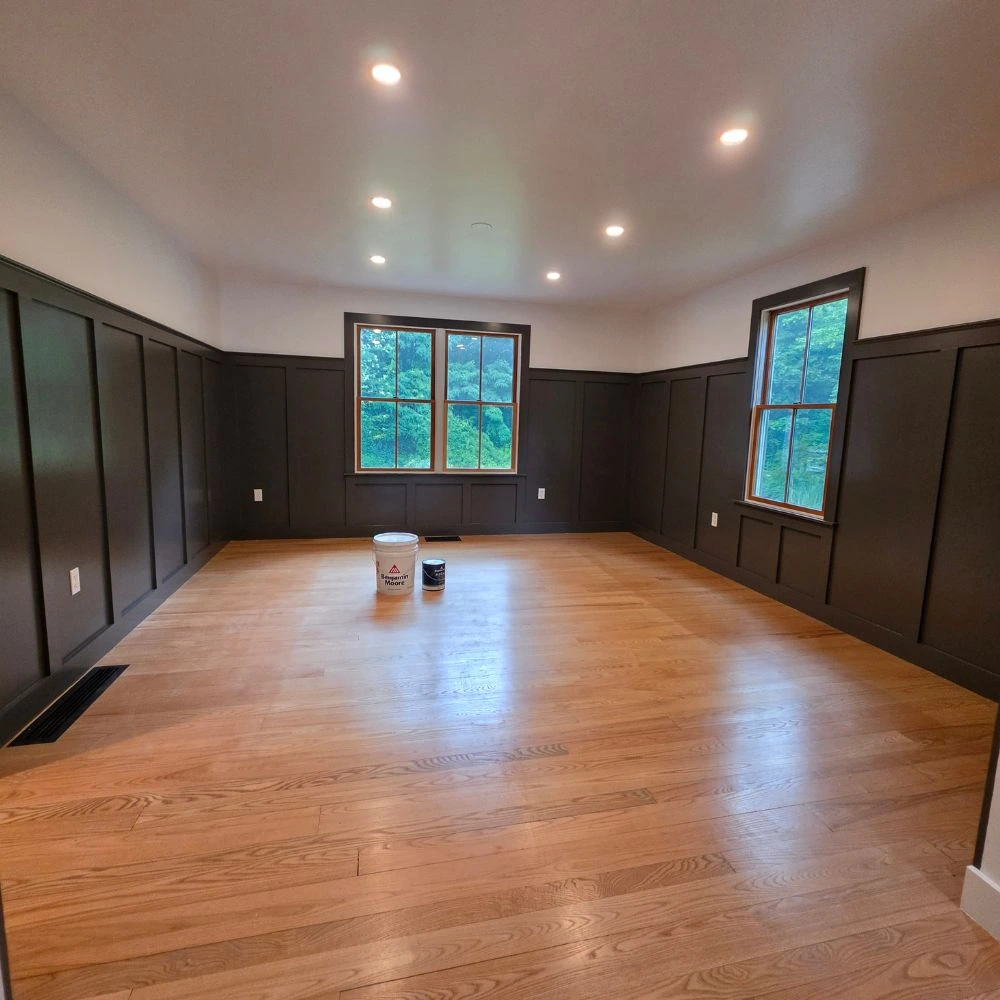
Yes, paint can go bad. How long it remains usable depends on the type of paint, how it was stored, whether the container was opened and whether the paint was exposed to extreme temperatures, air, moisture or contamination. Old paint is not automatically unusable, though. If it smells normal, mixes back to a smooth consistency, looks right and passes a small test application, it may still be suitable for use. Paint with a persistent foul odor, mold, severe lumps or poor drying performance should generally be discarded.
TL;DR
- Paint can deteriorate over time, but there is no single expiration date that applies to every product.
- Unopened paint generally lasts longer than opened paint when stored correctly because the container provides better protection from air and contamination.
- Some separation is normal after paint sits for a long time. Thorough mixing can restore paint that has simply settled.
- Bad odor, mold, hard chunks, severe thickening, unusual texture or poor drying are warning signs that paint may no longer be usable.
- Freezing and excessive heat can damage paint, particularly water based products.
- When an important project requires consistent color, adhesion, durability and finish, new paint is often the safer choice than relying on questionable old paint.
Paint is made from several components, including binders, pigments, liquids, additives that work together to produce a stable coating. Over time, those components can change, especially when paint is exposed to unsuitable storage conditions.
That means the answer to does paint go bad? is yes, but age alone does not tell you whether a particular can is still usable.
A can of leftover interior latex paint that has been properly sealed and stored in a suitable location may remain usable long after it was originally purchased. Another can that is much newer may be unusable if it has been frozen, overheated, contaminated or left poorly sealed. The condition of the actual paint matters more than simply looking at the date on the can.
How Long Does Paint Usually Last?
There is no universal shelf life number for all paints. Manufacturers may provide storage recommendations, shelf life information or product specific guidance and those instructions should take priority over general rules. Paint chemistry varies between products and storage conditions can make a major difference.
The type of paint also matters. Water based or latex paints, acrylic coatings, oil based paints, primers and specialty coatings do not necessarily behave the same way during long term storage.
Instead of asking only, How old is this paint? consider several questions:
Was the container opened? Was the lid sealed tightly? Where was it stored? Did it experience freezing temperatures? Was it exposed to excessive heat? Has anything been added to the paint? Does it still have a normal odor? Does it mix into a smooth, consistent coating? Does it dry properly when tested?
Those details give you a much better indication of whether old paint is still useful.
Does Opened Paint Go Bad Faster?
Usually, opened paint has more opportunities to deteriorate because the contents have been exposed to air and potentially to contaminants.
Every time a can is opened, dust, debris, moisture or other material can potentially enter the container. Air exposure can also contribute to skin forming on the surface and changes in the paint over time.
How the container was closed after use matters considerably. A lid that is properly seated around the entire rim provides much better protection than a lid that is only loosely placed on top. Before closing a can, wiping paint from the rim can also help the lid seal properly.
A half full can with a tightly secured lid that has been stored properly is very different from a partially open can sitting in a humid garage.
How Can You Tell If Paint Has Gone Bad?
You cannot determine the condition of old paint from its age alone. A physical inspection and small application test are more useful. Look for several warning signs rather than relying on one characteristic.
1. Smell
Odor is one of the easiest things to notice when opening old paint. Some paint naturally has a noticeable chemical smell, particularly when it is fresh. What is concerning is a persistent foul, sour, rotten or unusually unpleasant odor that is clearly different from what you would expect from the product.
A strong abnormal odor can indicate that the paint has deteriorated or become contaminated. Do not assume that stirring will always solve an odor problem. If the paint continues to smell rotten or otherwise abnormal after thorough mixing, it is better not to use it for a finished surface.
2. Texture and Consistency
Old paint often settles while sitting in storage. Pigments and other solids can move toward the bottom of the container, leaving a different looking layer near the top.
That alone does not mean the paint has gone bad. Properly stored paint may simply need thorough mixing to bring its components back together. The concern is when the material remains:
- Extremely thick.
- Jelly like.
- Stringy or rubbery.
- Full of hard chunks.
- Grainy after thorough mixing.
- Permanently separated.
- Difficult to spread evenly.
A few small bits of dried material near the lid may be removable if the paint underneath is otherwise normal. Hard lumps throughout the can are a different matter. Paint should return to a reasonably uniform consistency when properly mixed. If it cannot, its performance on the wall may be unpredictable.
3. Mold, Skin or Unusual Growth
Inspect the surface carefully after opening the container. A thin skin can sometimes form on stored paint because the surface has been exposed to air. If the material underneath is otherwise sound, a homeowner may be able to remove the skin without disturbing it and then evaluate the remaining paint.
Mold or other unusual growth is more concerning. If you see obvious mold, fungal growth or other contamination throughout the paint, do not assume it can simply be stirred away. Contaminated material may not perform properly and should be handled according to applicable disposal guidance.
4. Color Changes
A color that looks slightly different in an old can is not automatically proof that the paint has gone bad. Pigments can settle and the appearance of paint can change depending on lighting and how thoroughly it has been mixed.
However, a significant or unexplained color change deserves caution, particularly if the paint is intended for a visible touch up. Even usable paint can become problematic for touch ups if its color no longer matches the existing wall. A coating can technically be usable while still being unsuitable for the job because of color variation.
Book Your Free Estimate Today!
Ready to transform your space? Our team is here to help you get started with a no-obligation, on-site estimate. Whether it’s a quick refresh or a full makeover, we’ll guide you every step of the way.
Can Old Paint Still Be Used?
Yes, old paint can sometimes still be used. The key is determining whether the material has remained stable enough to perform as intended. For example, imagine finding a half full can of interior latex paint in a basement. The paint has been stored in a tightly closed container, has no unusual odor and has separated into layers. That separation alone is not necessarily a reason to throw it away.
After thorough mixing, the paint may return to a smooth, uniform consistency. A small test area can then tell you much more about its condition.
The situation is different if the same can contains hard chunks, smells rotten, remains gelatinous after mixing or refuses to dry correctly.
How to Test Old Paint
If you are considering using leftover paint, take a methodical approach.
1. Open the container safely
Open the can in a well ventilated area and avoid putting your face directly over the opening. Follow the product’s safety instructions and use appropriate protective equipment when required by the label.
2. Inspect the surface
Look for excessive skinning, mold, unusual growth or other contamination. A little surface skin is different from a can filled with deteriorated material.
3. Check the odor
Compare the smell with what you remember from the product when it was usable. A persistent rotten or unusually foul odor is a warning sign.
4. Stir thoroughly
Use an appropriate stir stick or mixing tool and work through the paint rather than simply moving the top layer around. The goal is to determine whether the separated components can be returned to a smooth, consistent mixture.
5. Examine the texture
After mixing, look for hard particles, jelly like material, rubbery pieces, excessive thickness or other abnormalities. If the paint remains severely lumpy or does not return to a normal consistency, do not assume it will perform properly.
6. Apply a small test area
Test the paint on a suitable inconspicuous surface or sample area. Look at how easily it spreads, whether it covers evenly, and whether the finish appears normal.
7. Allow it to dry properly
Do not judge the paint immediately after application. Give it the drying time specified by the product manufacturer and consider the surrounding temperature and humidity.
Check for problems such as unusual tackiness, poor leveling, unexpected gloss variation, poor coverage or failure to dry as expected.
This final step is important because paint can look acceptable in the can and still perform poorly once applied.
When You Should Not Use It
Discarding old paint is generally the more sensible option when it has obvious signs of deterioration or cannot pass a practical test. Do not rely on questionable paint when it has:
- A persistent foul or rotten odor.
- Significant mold or contamination.
- Hard chunks throughout the container.
- Severe jelly like or rubbery consistency.
- Separation that cannot be corrected through thorough mixing.
- Unusual drying or curing behavior.
- Poor application or leveling.
- A substantially different color when a color match matters.
- Evidence that it has been damaged by unsuitable storage.
For a small utility project, you may have more flexibility than you would for a large, visible room. But questionable paint is rarely worth using on a finished surface simply because it is already sitting in the garage.
Book Your Free Estimate Today!
Ready to transform your space? Our team is here to help you get started with a no-obligation, on-site estimate. Whether it’s a quick refresh or a full makeover, we’ll guide you every step of the way.
What Makes Paint Go Bad?
Storage conditions can have as much influence on paint condition as its age.
1. Temperature
Extreme temperatures are a major concern. Water based paints are particularly vulnerable to freezing. When water based paint freezes, the components can be damaged in a way that may not be completely reversed by allowing the container to warm back up. Repeated freezing and thawing is especially undesirable.
Excessive heat can also affect stored coatings. A garage, shed, attic or other location that becomes extremely hot can expose paint to conditions outside the manufacturer’s recommended storage range.
This is one reason a temperature controlled indoor storage area is generally preferable to leaving paint in a location that experiences major seasonal temperature swings.
2. Air Exposure
Air exposure can contribute to skin forming on the paint surface and can gradually affect stored material. This is particularly relevant with opened cans.
A good seal helps limit exposure between uses. Before replacing the lid, clean the rim so dried paint does not prevent the lid from seating correctly.
Avoid repeatedly opening a container simply to inspect it if you do not need to. Each opening provides another opportunity for air and contaminants to enter.
3. Contamination
Paint can become contaminated when foreign material enters the container. Common examples include:
- Dirt.
- Dust.
- Dried paint.
- Water.
- Other coatings.
- Debris from brushes or tools.
- Materials accidentally dropped into the can.
Never pour questionable leftover paint into a good can just to consolidate storage. Contamination can affect the entire batch. It is also wise to avoid dipping a dirty brush directly into paint that you intend to store for future use.
4. Poor Storage
A can left in an unsuitable location for years may be in worse condition than a can of the same age that was stored correctly.
For long term storage, follow the manufacturer’s instructions and keep containers protected from conditions that can damage the coating. Good storage generally means:
- The lid is securely closed.
- The container is kept in a suitable temperature range.
- The paint is protected from freezing and excessive heat.
- The can is kept away from direct sunlight.
- The storage area is reasonably clean and dry.
- The container remains upright where practical.
- The original label remains available for future reference.
If you live in Massachusetts, seasonal temperature changes make storage location particularly important. A paint can kept through cold winters in an unheated garage may face very different conditions from one stored in a suitable indoor area.
What Should You Do With Paint That Has Gone Bad?
Do not pour unwanted paint down a sink, drain, toilet or onto the ground. Paint disposal requirements can vary by location and by the type of coating. Oil based products may also be subject to different handling requirements from water based products.
The safest approach is to check the instructions on the product container and consult your local waste management authority for current disposal requirements.
If the paint is still usable but you no longer need it, keeping it properly labeled may be preferable to disposing of it immediately. However, do not keep deteriorated or contaminated paint simply because you might use it someday.
For partially used cans, keep the original label with the container whenever possible. Product information can be important when determining proper storage and disposal.
Book Your Free Estimate Today!
Ready to transform your space? Our team is here to help you get started with a no-obligation, on-site estimate. Whether it’s a quick refresh or a full makeover, we’ll guide you every step of the way.
When Should You Buy New Paint Instead?
There are times when using old paint is simply not worth the uncertainty. A small amount of questionable leftover paint might seem useful for a minor project, but a failed application can create more work than buying a new can would have.
Fresh paint is generally the safer choice when:
- You need a reliable color match.
- You are painting a large, visible area.
- The existing paint has an uncertain history.
- The old material has questionable texture or odor.
- The project requires predictable drying and curing.
- You need consistent sheen across a wall or room.
- The surface will receive significant wear.
- The paint will be used for exterior exposure.
- You cannot confirm that the old product is appropriate for the intended surface.
Touch ups deserve particular caution. Even if an old can is still chemically usable, the color and sheen may no longer match the coating already on the wall. Paint can also look different after years of exposure to sunlight, cleaning and normal wear.
For larger projects, surface preparation and compatibility with the existing coating are also important. If you are unsure whether an old coating is suitable for a particular interior project, a professional assessment can help you avoid applying questionable material to an otherwise well prepared surface.
For homeowners planning a larger project, interior painting services may also be useful when the condition of the existing coating or the choice of new paint needs professional evaluation.
Pro A&M Painting approaches these situations by considering the condition of the existing coating, the surface underneath it and the requirements of the new finish rather than assuming that every old can of paint should be used or discarded.
Conclusion
So, does paint go bad? Yes, but age alone does not tell you whether old paint is unusable. A properly stored can may still be useful after a long period, while paint exposed to freezing temperatures, excessive heat, air, moisture or contamination may deteriorate much sooner.
Before using leftover paint, inspect its odor, appearance and texture. Stir it thoroughly, then apply a small test area and allow it to dry properly. If the paint remains foul smelling, severely lumpy, contaminated, unusually thick or performs poorly, it is better not to use it.
When the project is important and you need dependable color, coverage, adhesion and finish, fresh paint is usually the safer option.
If you are unsure whether an existing coating is suitable for repainting, exterior painting services can be a useful next step for evaluating the surface and determining what preparation and coating are appropriate.
Pro A&M Painting can also help homeowners evaluate painting requirements when old coatings, surface condition or finish performance make the right approach unclear.