Your Home Deserves a Painter You Can Trust
TL;DR
- Yes, you can paint over polyurethane, but only with correct surface prep.
- Polyurethane is non porous, so paint cannot bond without sanding or bonding primer.
- Cleaning, scuff sanding and priming are required for durability.
- Oil based and water based polyurethanes behave slightly differently under paint systems.
- Most paint failures are caused by poor preparation, not paint quality.
- Cabinets, trim and furniture require a structured, professional approach for long term results.
If you are asking can you paint over polyurethane, the real question is not about possibility. It is about adhesion science. Polyurethane is built to resist damage, moisture and chemical penetration. That is exactly why painting over it without preparation fails so often. The surface is too slick for standard paint to grip.
This blog breaks down the entire process in a practical way, helping you understand what works, what doesn’t and how professionals consistently achieve durable results.
What Polyurethane Actually Does to a Surface
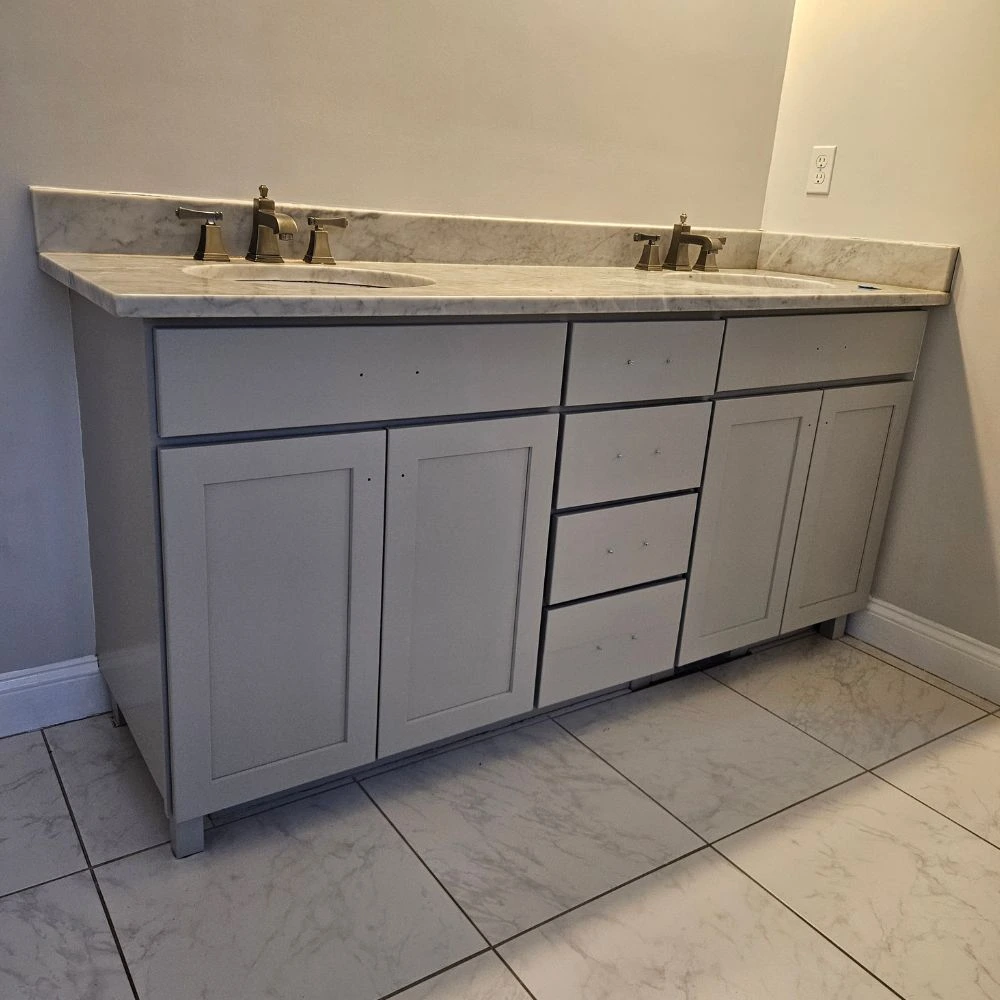
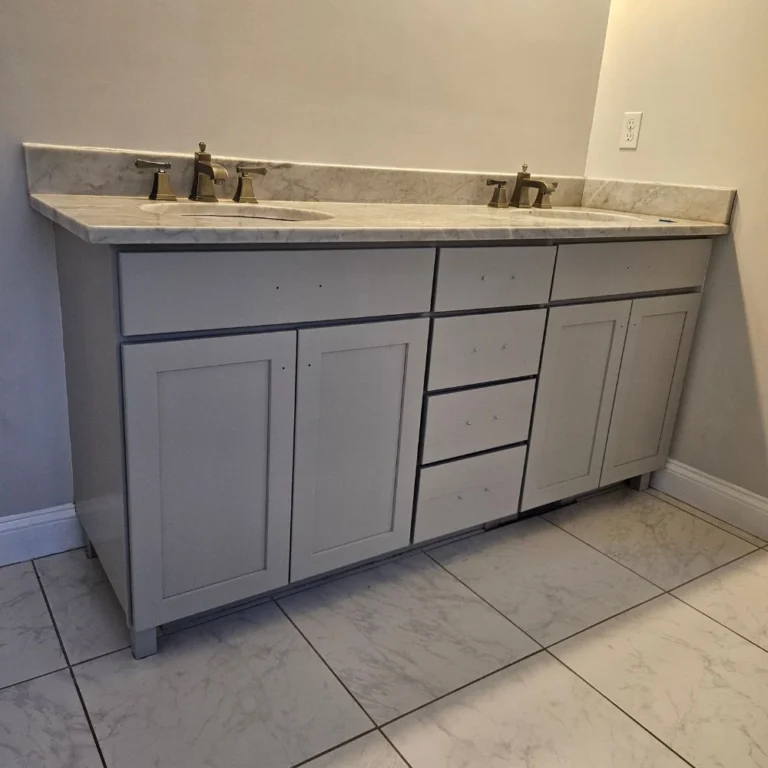
Polyurethane is a protective coating designed to seal wood and create a hardened layer. It is commonly used on cabinets, furniture, doors and trim because it prevents scratches, stains and moisture damage. The issue arises when you try to change the appearance of that surface.
Why polyurethane resists paint
When people ask can you paint over polyurethane, they are usually dealing with one key issue: bonding failure.
Here is what polyurethane does
- Forms a sealed plastic like barrier.
- Blocks absorption into the wood beneath.
- Creates a glossy or semi gloss surface.
- Reduces surface friction for adhesion.
Paint does not naturally stick to that type of finish. It needs either mechanical grip or chemical bonding, which polyurethane does not provide on its own.
Can You Paint Over Polyurethane Without Sanding
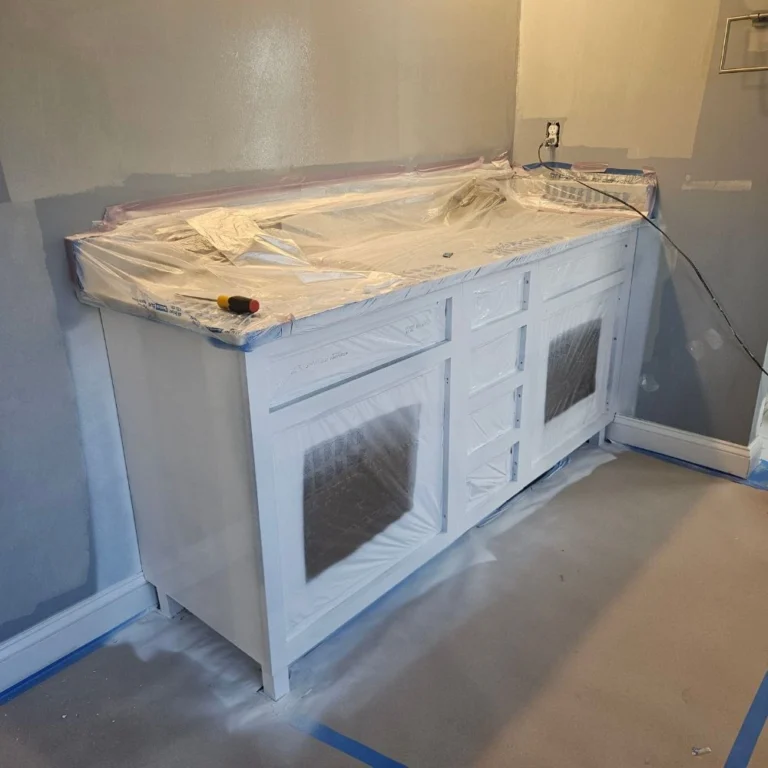
Yes, but not successfully in most cases. There are deglossing products that claim to eliminate sanding, but they do not create the same level of adhesion reliability as proper surface abrasion. If the goal is durability, sanding is not optional.
When evaluating can you paint over polyurethane, sanding is the step that determines whether your finish lasts weeks or years.
What actually works for adhesion
- Mechanical sanding to break the glossy layer.
- Chemical bonding primers designed for slick surfaces.
- Combined systems using both sanding and primer.
- Proper curing time between layers.
What does not work long term
- Painting directly over glossy polyurethane.
- Light cleaning without surface abrasion.
- Cheap primers not rated for high adhesion surfaces.
- Skipping prep on low traffic surfaces.
The surface must be altered, not just cleaned.
Proper Surface Preparation System
Preparation is where most of the success happens. If you get this wrong, everything after it fails regardless of paint quality. This is the system professionals follow when handling can you paint over polyurethane projects.
Step by step preparation process
- Clean the surface using a degreaser to remove oils, wax and dirt buildup.
- Inspect for glossy areas and uneven coating.
- Scuff sand using 120 to 220 grit sandpaper until sheen is reduced.
- Wipe all dust using microfiber cloth or tack cloth.
- Apply bonding primer evenly across the surface.
- Allow full cure time before applying paint.
Critical prep principles
- Every glossy area must be dulled.
- Dust removal is as important as sanding.
- Primer must be compatible with slick finishes.
- Curing time is not optional.
- Thin, even prep layers outperform heavy coatings.
Common prep mistakes
- Sanding too lightly and leaving glossy spots.
- Over sanding and damaging wood texture.
- Not cleaning before sanding.
- Applying primer too thick.
- Painting before primer fully bonds.
These mistakes lead to peeling, especially around edges and high touch areas like cabinet doors.
Best Paint Systems for Polyurethane Surfaces
Not all paints are designed for sealed surfaces. Choosing the right system is just as important as preparation.
When professionals handle can you paint over polyurethane, they match primers and paints specifically for adhesion, not just color.
Recommended systems
- Bonding primer + acrylic latex paint system
- Oil based primer + enamel topcoat system
- Shellac based primer for high adhesion restoration work.
- Water based enamel for low odor interior projects.
Why system choice matters
- Primers create the bond layer.
- Paint provides durability and finish appearance.
- Incompatible layers cause peeling or cracking.
- High traffic surfaces need stronger chemical resistance.
When to use each system
- Cabinets: bonding primer with enamel paint.
- Furniture: shellac primer for maximum adhesion.
- Trim: oil based primer for durability.
- Low use decor: water based systems for easier application.
Choosing the wrong system is one of the fastest ways to ruin a project.
Book Your Free Estimate Today!
Ready to transform your space? Our team is here to help you get started with a no-obligation, on-site estimate. Whether it’s a quick refresh or a full makeover, we’ll guide you every step of the way.
Step by Step Painting Application Process
Once preparation is complete, application must follow a controlled structure. This is where consistency determines final quality. Understanding can you paint over polyurethane also means understanding timing and layering discipline.
Application workflow
- Confirm surface is fully clean and primed.
- Apply first coat of paint in thin, even layers.
- Allow proper drying time based on product instructions.
- Lightly sand between coats if surface feels rough.
- Apply second coat for full coverage.
- Inspect edges, corners and high contact points.
- Apply optional protective topcoat if needed.
Professional application rules
- Avoid heavy coats that trap moisture.
- Maintain consistent pressure when brushing or rolling.
- Work in sections to prevent uneven drying.
- Respect curing timelines, not just surface dryness.
- Keep environment stable to avoid adhesion issues.
What affects final finish quality
- Temperature and humidity.
- Paint viscosity and application method.
- Drying time accuracy.
- Surface smoothness before painting.
- Edge coverage consistency.
Even small variations in these factors can change durability significantly.
Why Paint Fails on Polyurethane Surfaces
Most failures are predictable. They do not happen randomly. They happen because the bonding system is incomplete or rushed. When people ask can you paint over polyurethane, they are usually reacting to failed DIY attempts. Those failures follow a pattern.
Main failure points
- Adhesion breakdown within weeks or months.
- Peeling around edges and corners.
- Bubbling caused by trapped moisture.
- Scratching or easy chipping on contact points.
- Yellowing on improper primer systems.
Root causes
- Skipping sanding or under sanding.
- Using non bonding primer.
- Painting over contaminants like grease or polish.
- Rushing drying times between coats.
- Using low quality paint not suited for sealed surfaces.
High risk areas
- Kitchen cabinets near heat and moisture.
- Bathroom trim exposed to humidity.
- Furniture with frequent handling.
- Doors and frames with constant contact.
These surfaces require stronger preparation and higher grade materials.
Book Your Free Estimate Today!
Ready to transform your space? Our team is here to help you get started with a no-obligation, on-site estimate. Whether it’s a quick refresh or a full makeover, we’ll guide you every step of the way.
Professional Approach and Real World Application
In professional work, can you paint over polyurethane is not treated as a simple yes or no question. It is treated as a system problem involving surface chemistry, material compatibility and environmental control.
Companies like Pro A&M Painting approach these projects with a structured workflow built on repeatable results, not guesswork. The goal is not just to change color but to ensure the finish holds under daily use.
Professional method breakdown
- Surface evaluation before any sanding begins.
- Identification of existing finish type.
- Controlled sanding to avoid uneven abrasion.
- Use of commercial grade bonding primers.
- Multi layer coating systems based on usage level.
- Final inspection for adhesion consistency.
Why professionals get better results
- Experience with different polyurethane types.
- Access to industrial grade primers and finishes.
- Controlled application environment.
- Consistent curing timelines.
- Knowledge of failure points before they happen.
When hiring makes sense
- Large cabinet refinishing projects.
- High end furniture restoration.
- Commercial interior surfaces.
- Homes with previous coating failures.
- Projects requiring long term durability.
Conclusion
So, can you paint over polyurethane?
Yes, but only when the surface is properly prepared and treated as a bonding challenge rather than a simple repaint job. The material is designed to resist exactly what paint needs in order to stick.
That means success depends on preparation, not paint brand or color choice. Sanding, cleaning, priming and controlled application are not optional steps. They are the system.
If you follow that system, polyurethane surfaces can be transformed into durable, attractive painted finishes. If you skip it, failure is almost guaranteed.
The difference between a lasting finish and a peeling surface is not luck. It is process discipline.