Hours: Mon - Sat 24/7

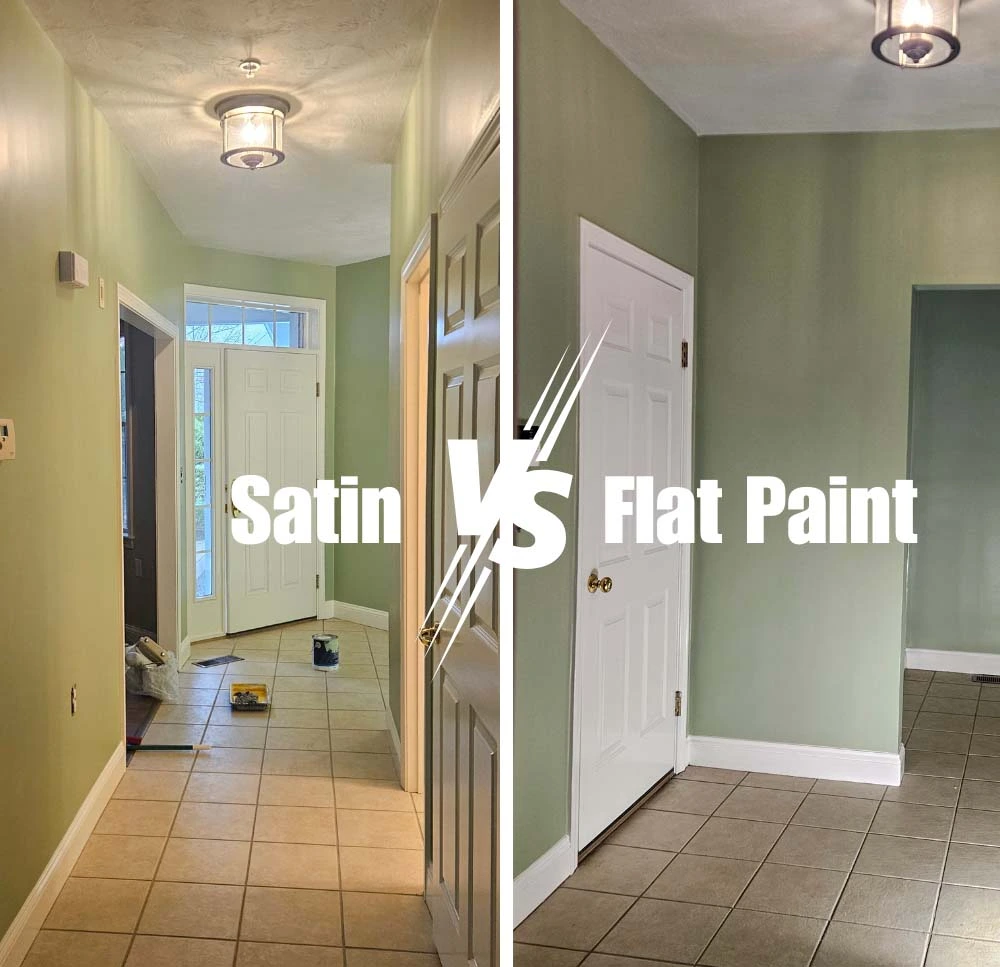
When it comes to painting your home, the decision isn’t just about color, it’s about finish. The choice between satin vs flat paint can dramatically impact your space’s appearance, durability and ease of maintenance. Homeowners often overlook this, focusing on color alone, but the finish can either highlight your walls’ strengths or make imperfections glaringly obvious.
Understanding the differences between satin and flat paints helps you make an informed choice that balances aesthetics, practicality and long term value. In this blog, we break down both finishes, their pros and cons, ideal applications and expert advice on achieving a professional look.
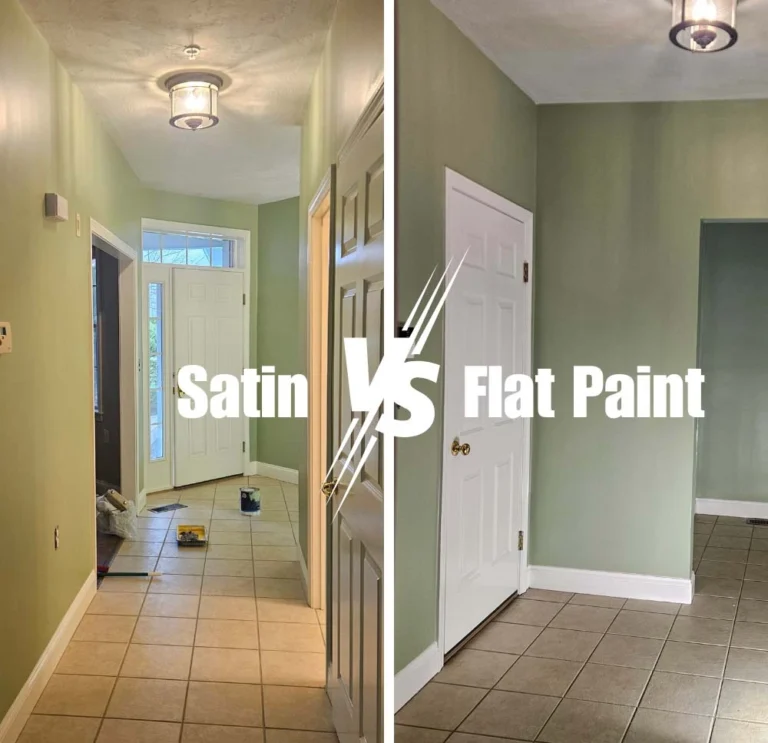
Flat paint, sometimes called matte paint, is designed with zero or minimal sheen. Its smooth, non reflective surface absorbs light rather than reflecting it, giving walls a soft, uniform appearance.
Pros of Flat Paint
Flat paint has several features that make it appealing for homeowners looking for elegance without distraction:
- Hides Wall Imperfections: The matte finish masks minor dents, cracks and uneven textures better than glossy paints.
- Smooth and Subtle Appearance: Flat paint provides a sophisticated, understated look that doesn’t compete with décor or lighting.
- Cost Effective: Generally, flat paints are priced lower than satin or semi gloss finishes, making them suitable for large areas on a budget.
- Ideal for Artistic Walls: Because it doesn’t reflect light, flat paint works well for murals or textured wall designs.
Cons of Flat Paint
While flat paint is visually appealing, it does come with limitations:
- Lower Durability: Flat paints are more susceptible to scuffs, scratches and wear, especially in high traffic areas.
- Difficult to Clean: Cleaning flat painted walls can remove some paint, leaving marks or fading areas over time.
- Limited Visual Depth: The lack of sheen can make colors appear more muted, which may not suit modern or high contrast décor.
Best Uses for Flat Paint
- Bedrooms and guest rooms.
- Living rooms with minimal traffic.
- Ceilings, where light reflection isn’t needed.
- Walls with minor imperfections that need concealing.
Satin paint offers a subtle sheen that reflects light softly, creating walls that feel vibrant without being glossy. It occupies the middle ground between flat and semi gloss finishes, combining durability with aesthetic appeal.
Pros of Satin Paint
- Durable and Washable: Satin surfaces can withstand cleaning and light scrubbing, making them perfect for areas where stains are likely.
- Soft Reflective Finish: Adds depth and enhances lighting in a room, making colors appear richer and more dynamic.
- Versatile Application: Works well on walls, trim, doors and even furniture, giving a consistent finish throughout a space.
- Moisture Resistant Options: Many satin paints are formulated to handle humidity, making them suitable for kitchens and bathrooms.
Cons of Satin Paint
- Highlights Imperfections: The slight sheen can emphasize wall defects like bumps, cracks or uneven texture.
- Higher Cost: Satin finishes are typically more expensive than flat paints due to their durability and sheen.
- Preparation Matters: Walls must be primed and smoothed meticulously or imperfections will be noticeable.
Best Uses for Satin Paint
- Kitchens and bathrooms where moisture and stains are common.
- Hallways, stairways and other high traffic areas.
- Children’s rooms prone to scuffs and fingerprints.
- Accent walls, trim and doors for a polished look.
Satin vs Flat Paint
When deciding between satin vs flat paint, several factors should guide your choice. Durability, maintenance, light reflection and room function all influence which finish is best for your home.
Key Differences
Feature
Sheen
Durability
Maintenance
Imperfection Visibility
Best Use
Visual Impact
Flat Paint
Matte, no reflection
Lower, prone to scuffs
Harder to clean
Hides flaws well
Low traffic rooms
Subtle, muted
Satin Paint
Soft sheen, light reflective
Higher, washable and resilient
Easier to clean, resistant to marks
Can highlight bumps or cracks
High traffic or moisture prone areas
Adds depth and dimension
When to Choose Flat Paint
- Your walls have visible flaws you want to conceal.
- Rooms are low traffic and don’t require frequent cleaning.
- You prefer a traditional, understated look over shine.
When to Choose Satin Paint
- Durability and cleanability are important.
- Slight light reflection enhances your space.
- Walls are smooth and well prepped for paint.
- You want a modern, polished appearance.
Book Your Free Estimate Today!
Ready to transform your space? Our team is here to help you get started with a no-obligation, on-site estimate. Whether it’s a quick refresh or a full makeover, we’ll guide you every step of the way.
Color and Lighting Considerations
The finish of your paint can alter how color appears under different lighting conditions. Understanding how flat and satin finishes interact with light can prevent surprises after application.
How Lighting Affects Paint Appearance
- Flat Paint: Absorbs light, creating a soft, even tone. Excellent for rooms with bright artificial lighting or rooms where you want colors to appear muted.
- Satin Paint: Reflects light subtly, giving colors a brighter, more dynamic appearance. This is useful for natural light filled spaces where you want the walls to pop.
Matching Finish to Room Function
- Dark Colors: Satin can prevent dark hues from looking flat or dull, while flat may make a room feel smaller.
- Bright Colors: Flat paint keeps bright colors from being overwhelming, softening their impact.
- Lighting Type: For artificial lighting, flat paint softens harsh overhead light. For natural sunlight, satin enhances the room’s vibrancy.
Expert Wall Prep Tips
Even premium paint finishes require proper preparation to achieve a professional, long lasting result. Whether you choose satin or flat paint, following these steps ensures your walls look flawless.
Wall Cleaning
- Remove dirt, grease and dust from surfaces.
- Use a mild detergent solution for kitchen or high touch walls.
- Rinse and dry completely before priming.
Repair and Sanding
- Fill cracks and holes with spackle or joint compound.
- Sand rough or uneven areas, particularly for satin paint.
- Ensure walls are smooth to avoid reflection highlighting flaws.
Priming
- Primer improves paint adhesion and coverage.
- Prevents stains and previous colors from bleeding through.
- Choose a primer compatible with your paint type for optimal results.
Book Your Free Estimate Today!
Ready to transform your space? Our team is here to help you get started with a no-obligation, on-site estimate. Whether it’s a quick refresh or a full makeover, we’ll guide you every step of the way.
Painting Techniques for Best Results
Applying paint correctly is as important as choosing the right finish. Proper technique can maximize durability and create a flawless finish.
Tools to Use
- High quality brushes for trim and corners.
- Foam or microfiber rollers for smooth, even coverage.
- Paint trays that allow even loading of rollers.
Application Tips
- Apply thin, even coats rather than one thick coat.
- Allow adequate drying time between coats.
- For satin, avoid over brushing to prevent streaks or roller marks.
- Work in sections, maintaining a wet edge to prevent lap marks.
Combining Finishes for Maximum Effect
A strategic combination of satin vs flat paint can elevate your home’s aesthetic and functionality. Many professional painters recommend:
- Flat on Walls, Satin on Trim: Provides a soft wall background with resilient, easy to clean trims.
- Flat in Bedrooms, Satin in Hallways: Balances elegance with durability in high traffic areas.
- Accent Walls in Satin: Use satin to highlight a feature wall while keeping other walls flat.
This approach maximizes both the visual appeal and practicality of your painting project.
Making the Right Choice
Selecting between satin vs flat paint comes down to understanding your space, lifestyle and maintenance expectations. Flat paint is ideal for low traffic areas where a muted, sophisticated look is desired. Satin is perfect for areas that require durability, washability and a touch of sheen.
Professional painters recommend considering the following factors before deciding:
- Room function and foot traffic.
- Wall imperfections.
- Lighting and color intensity.
- Cleaning requirements and household activity.
When in doubt, consulting with experienced painting professionals can provide tailored recommendations that optimize both aesthetics and durability. At Pro A&M Painting, we combine hands on expertise with industry best practices to help homeowners select the right finish for every room.
Conclusion
Choosing between satin vs flat paint isn’t just about style, it’s about making an informed decision that meets both your design and practical needs. Flat paint offers timeless elegance and conceals imperfections, while satin provides durability, cleanability and subtle sophistication.
Investing time in understanding your paint options, prepping your walls properly and applying the paint with care ensures your home looks polished, feels comfortable and maintains its beauty for years. A well chosen finish is more than decoration, it’s a smart investment in your home’s longevity and appeal.