Hours: Mon - Sat 24/7
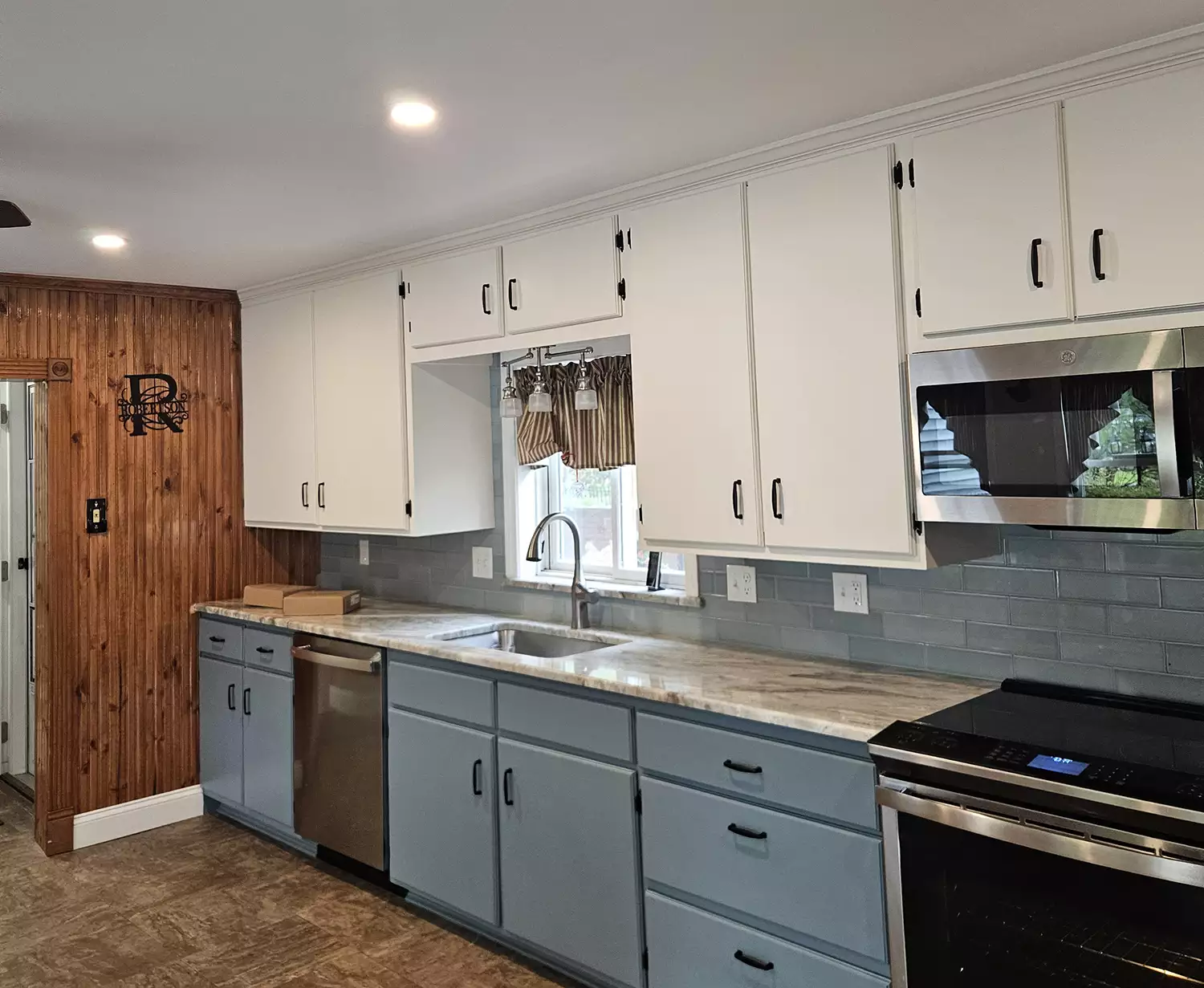
Cabinet painting looks simple from a distance. Roll on paint, let it dry, reinstall the doors. In reality, cabinets are one of the most unforgiving surfaces in a home. Any mistake shows immediately. Roller marks. Texture. Uneven sheen. Drips around profiles.
Choosing the best roller for painting cabinets in 2026 is not about brand loyalty or trends. It is about surface texture, material type, paint chemistry, and technique. This blog is written from real world cabinet painting experience at Pro A&M Painting. It explains what actually works on modern cabinet materials, with modern paints, under real jobsite conditions.
Why Cabinet Painting Requires a Different Roller Than Walls
Unlike drywall, cabinets have a finished surface that reflects light, which makes roller texture and application inconsistencies stand out.
Cabinet surfaces are
- Smooth and non porous.
- Viewed up close and under direct lighting.
- Finished with satin, semi gloss, or gloss coatings.
- Touched daily with hands, oils, and cleaners.
A roller that works fine on drywall will leave visible stipple and texture on cabinets. That texture does not disappear as paint dries. It hardens into the finish.
The best roller for painting cabinets applies paint in a controlled, even film that allows the coating to level naturally before curing. That is the difference between cabinets that look sprayed and cabinets that look rolled.
Before choosing a roller, it helps to understand what actually affects the finish.
Nap Length
Nap length controls how much paint the roller holds and how much texture it leaves behind.
Longer nap
- Holds more paint.
- Leaves more texture.
- Better for rough surfaces.
Shorter nap
- Holds less paint.
- Applies thinner coats.
- Leaves a smoother finish.
Cabinet painting always favors shorter nap lengths.
Roller Material
The fabric or foam determines how paint is released onto the surface.
Different materials
- Absorb paint differently.
- Release paint at different rates.
- Interact differently with modern water based paints.
Roller Core and Density
High density cores apply more even pressure. Cheap rollers flex and collapse, which causes uneven coverage and roller lines.
Best Roller Nap Length for Painting Cabinets
Nap length is the first decision professionals make.
Ideal Nap Lengths for Cabinets
For cabinet painting in 2026, the most reliable nap lengths are:
- 1/4 inch nap.
- 3/16 inch nap.
- 5 mm microfiber equivalent.
These lengths consistently produce smooth finishes without excessive texture.
When to Use 1/4 Inch Nap
Use 1/4 inch nap rollers for:
- Solid wood cabinet doors.
- MDF cabinet panels.
- Painted cabinets with light surface texture.
- Most water based cabinet enamels.
This is the most versatile option and the default choice for professionals.
When to Use 3/16 Inch Nap
Use 3/16 inch nap rollers for:
- Factory smooth MDF.
- Previously sprayed cabinets.
- High gloss finishes where texture must be minimized.
This nap requires better technique because it holds less paint, but the finish is extremely smooth.
Best Roller Materials for Painting Cabinets
The best roller for painting cabinets is not just about nap length. Material choice matters just as much.
Microfiber Rollers
Microfiber is the most widely used cabinet roller material today.
Why professionals prefer microfiber
- Excellent paint pickup without dripping.
- Smooth, consistent release.
- Minimal lint when high quality.
- Works exceptionally well with modern acrylic and hybrid paints.
Microfiber rollers allow painters to apply thinner coats while maintaining coverage, which improves leveling and durability.
Foam Rollers
Foam rollers are often recommended online, but they are misunderstood.
Where foam rollers work well
- Small cabinet doors.
- Flat panels.
- Final smoothing passes.
- Touch up work.
Limitations of foam rollers
- Can trap air and cause bubbles.
- Do not hold much paint.
- Break down faster on larger jobs.
Foam is not ideal for full cabinet projects but can complement microfiber rollers in detail work.
Mohair Rollers
Mohair remains relevant for specific applications.
Best use cases
- Oil based paints.
- Alkyd and solvent based coatings.
- High gloss finishes that require controlled release.
Oil based paints are less common in residential cabinet painting in 2026, but when used, mohair delivers superior results.
Book Your Free Estimate Today!
Ready to transform your space? Our team is here to help you get started with a no-obligation, on-site estimate. Whether it’s a quick refresh or a full makeover, we’ll guide you every step of the way.
Best Roller for Painting Cabinets by Paint Type
Paint chemistry and roller choice must match. Using the wrong roller for the paint often causes more issues than surface prep mistakes.
Water Based Acrylic Cabinet Paints
These are the most common cabinet paints today due to low VOCs and fast drying times.
Best roller choice
- Microfiber roller.
- 1/4 inch nap or 5 mm.
- High density core.
These paints level best when applied in thin, even coats. Microfiber rollers help achieve that consistency.
Hybrid Alkyd Cabinet Paints
Hybrid alkyd paints offer oil like durability with water cleanup.
Best roller choice
- Microfiber or mohair.
- Short nap only.
- Avoid heavy pressure.
These paints are thicker and require controlled application to prevent sagging.
Oil Based Cabinet Paints
Oil based coatings are still used in specialty situations.
Best roller choice
- Mohair roller.
- 1/4 inch nap.
- Solvent resistant construction.
Oil paints show flaws easily, so roller quality and technique are critical.
Cabinet Surface Types and Roller Selection
Not all cabinets are built the same. The best roller for painting cabinets depends on the material being painted.
Solid Wood Cabinets
Wood grain can telegraph through paint if texture is introduced.
Recommended roller
- Microfiber.
- 1/4 inch nap.
- Light pressure.
This minimizes texture while allowing the paint to flow into the grain evenly.
MDF Cabinets
MDF is extremely smooth and unforgiving.
Recommended roller
- 3/16 inch nap microfiber.
- Thin coats only.
Any texture left behind will be visible once the paint cures.
Laminate and Thermofoil Cabinets
These surfaces require bonding primers and controlled application.
Recommended roller
- Microfiber.
- Short nap.
- Even pressure to avoid buildup.
Texture on laminate stands out more than on wood.
Book Your Free Estimate Today!
Ready to transform your space? Our team is here to help you get started with a no-obligation, on-site estimate. Whether it’s a quick refresh or a full makeover, we’ll guide you every step of the way.
Professional Cabinet Rolling Technique That Prevents Marks
Even the best roller for painting cabinets cannot fix poor technique.
Proper Roller Loading
Load the roller evenly and roll it out fully in the tray. A dry roller causes stipple. An overloaded roller causes runs.
Consistent Pressure
Apply light, consistent pressure. Pressing harder does not improve coverage. It creates texture and roller lines.
Controlled Sections
Paint one door or section at a time. Do not jump around. Consistency matters.
Final Smoothing Pass
After coverage, lightly roll in one direction to even out the paint film. This helps the paint level as it dries.
Drying, Recoating, and Roller Impact
Roller choice affects drying and curing more than most people realize.
Short nap rollers
- Apply thinner coats.
- Reduce dry time.
- Improve adhesion between coats.
- Lower risk of sagging.
Thick, uneven coats caused by improper rollers extend drying times and weaken the finish.
Common Roller Mistakes That Ruin Cabinet Finishes
These mistakes show up on nearly every failed DIY cabinet job.
Using Wall Rollers
Standard wall rollers leave texture that never levels out on cabinets.
Using Cheap Rollers
Low quality rollers shed fibers and apply paint unevenly.
Applying Heavy Coats
Heavy coats sag, wrinkle, and cure poorly.
Ignoring Paint Compatibility
Not all rollers work with all paints. Always match roller material to paint type.
Real World Recommendation From Pro A&M Painting
Based on daily cabinet painting work, the most reliable setup for homeowners is:
- High quality microfiber roller.
- 1/4 inch nap.
- Paired with a premium angled brush for edges.
- Applied in thin, controlled coats.
This combination produces consistent results across most cabinet styles and paint systems.
Conclusion
The best roller for painting cabinets in 2026 is not a trend or a brand name. It is a short nap, high quality roller matched to the paint and cabinet material, used with disciplined technique.
When homeowners understand this, they avoid:
- Texture issues.
- Roller marks.
- Premature wear.
- Costly repainting.
Cabinet painting is a finish driven process. Tools matter. Technique matters. Experience matters.
At Pro A&M Painting, we focus on results that last, not shortcuts. If you want cabinets that look professionally refinished and hold up to daily use, start with the roller. It is the foundation of everything that follows.