Your Home Deserves a Painter You Can Trust

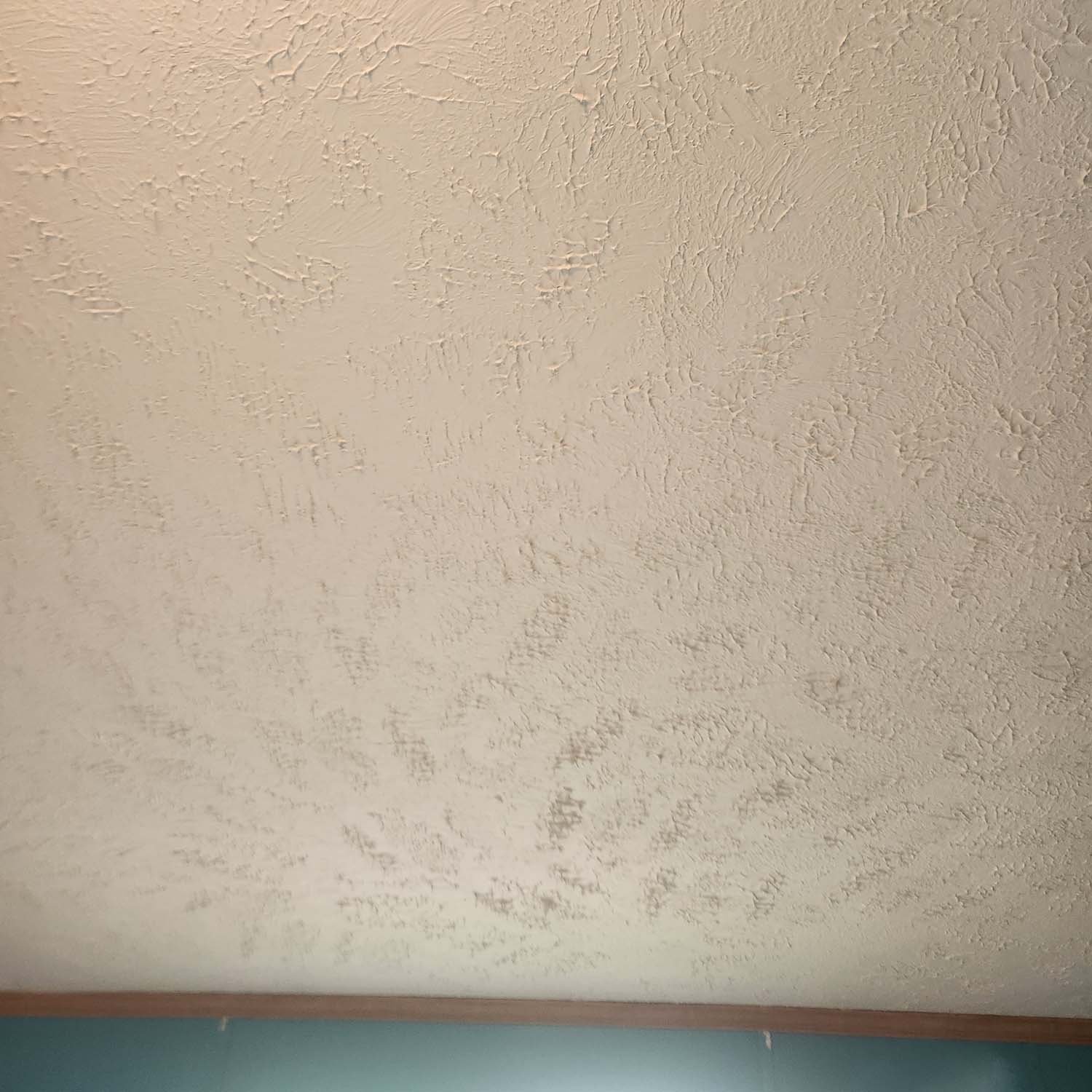
If you are searching for how to get rid of stucco ceilings, you are likely dealing with an outdated textured ceiling that affects the look, lighting and overall feel of your home. The truth is, removing stucco or textured ceilings is not just a cosmetic upgrade. It is a labor heavy process that requires the right method, the right tools and a clear understanding of what you are dealing with underneath that surface layer.
In many homes, stucco ceilings were installed to hide imperfections or reduce construction costs. Today, homeowners want smooth, modern ceilings that reflect light better and increase property value. The challenge is that removal is not always simple and the wrong approach can damage drywall or create unnecessary repair work.
This blog breaks down how to get rid of stucco ceilings using real, practical methods based on what actually works in residential renovation projects.
Key Facts
Before diving into methods, here are the core facts that matter most:
- Stucco ceilings are often similar to popcorn or textured finishes applied with spray compounds.
- Some older ceilings may contain asbestos if installed before the 1980s.
- Removal can involve scraping, wetting or full ceiling resurfacing.
- Not all ceilings are worth removing, some are better covered than stripped.
- Proper prep and containment reduce dust and health risks.
- The final finish usually requires sanding and skim coating.
- Professional removal is faster but more labor efficient when done correctly.
This is where companies like Pro A&M Painting often step in for homeowners who want a clean, controlled finish without trial and error mistakes.
Understanding Stucco Ceilings Before You Remove Them
Before learning how to get rid of stucco ceilings, you need to understand what you are actually dealing with. Stucco ceilings are textured finishes applied to drywall or plaster surfaces. They were popular in mid century homes because they helped hide imperfections and reduced finishing costs.
However, these textures can be bonded strongly to the ceiling surface depending on the material used. Some are water based and easier to remove. Others are oil based or layered over primer, making them more resistant.
What determines removal difficulty
- Age of the home and ceiling installation.
- Type of texture compound used.
- Whether paint or sealant was applied over it.
- Condition of underlying drywall or plaster.
- Presence of asbestos in older materials.
Basic inspection checklist
Before starting any removal work:
- Check for peeling or brittle texture.
- Test a small damp area to see if it softens.
- Look for painted over surfaces (these resist scraping).
- Consider testing for asbestos if the home is older than 1985.
Why this matters
Skipping inspection is where most homeowners go wrong. The method you choose depends entirely on how the ceiling was originally built and finished. There is no universal approach that works for every home.
Method 1: Scraping Stucco Ceilings the Traditional Way
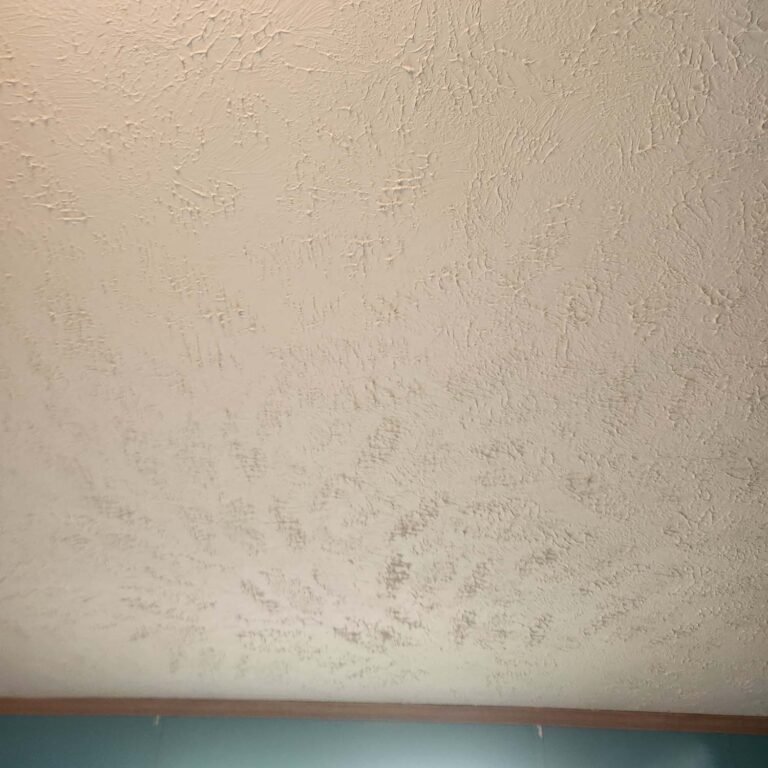
The most common approach to how to get rid of stucco ceilings is scraping. This is straightforward in theory but physically demanding in practice.
Step by step scraping process
- Protect floors and furniture with plastic sheeting.
- Turn off HVAC systems to reduce dust circulation.
- Lightly mist the ceiling with water to soften texture.
- Use a wide drywall scraper or putty knife.
- Work in small sections to avoid gouging drywall.
- Sand remaining rough spots after drying.
What works and what does not
This method works best when:
- Texture is unpainted.
- Ceiling material is water based.
- Drywall underneath is in good condition.
It does NOT work well when:
- Paint has sealed the texture.
- Ceiling is heavily layered or hardened.
- Asbestos is present.
Realworld reality check
Scraping sounds simple, but overhead work for hours becomes physically exhausting. It also creates large amounts of dust and debris. In professional renovation environments, this step is often paired with containment systems to control airborne particles.
Method 2: Wetting and Softening for Easier Removal
Another effective way for how to get rid of stucco ceilings is controlled wetting. This method reduces scraping effort by loosening the texture before removal.
How wetting works
Water penetrates the texture layer and softens the bonding material. Once softened, the ceiling becomes easier to scrape without damaging the drywall underneath.
Step by step wet method
- Use a garden sprayer or spray bottle.
- Lightly mist a small section of ceiling.
- Wait 10 to 15 minutes for absorption.
- Scrape gently using a wide blade.
- Repeat in controlled sections.
Important limitations
- Over wetting can damage drywall paper.
- Painted ceilings may resist water penetration.
- Uneven soaking can create patchy removal results.
When this method makes sense
This approach is useful when:
- Texture is older and water soluble.
- You want to reduce dust levels.
- You are working in a controlled renovation environment.
It is less effective on modern sealed finishes where water simply beads off the surface.
Book Your Free Estimate Today!
Ready to transform your space? Our team is here to help you get started with a no-obligation, on-site estimate. Whether it’s a quick refresh or a full makeover, we’ll guide you every step of the way.
Method 3: Skim Coating Instead of Full Removal
Sometimes the smartest answer to how to get rid of stucco ceilings is not removal at all. Skim coating is a resurfacing method where a thin layer of joint compound is applied over the texture to create a smooth finish.
How skim coating works
Instead of stripping the ceiling, you essentially bury the texture under new material. Once dry, the surface is sanded smooth and primed for painting.
Step by step skim coating process
- Clean ceiling surface to remove dust and debris.
- Apply bonding primer if needed.
- Spread joint compound evenly using a drywall knife.
- Let first coat dry completely.
- Sand and apply second coat if necessary.
- Finish with final sanding and primer.
Pros and cons
Advantages
- No heavy scraping required.
- Less dust and debris.
- Faster in large areas with stable ceilings.
Disadvantages
- Requires skill for smooth finish.
- Multiple coats may be needed.
- Not ideal for severely damaged ceilings.
When professionals recommend this
In many residential projects, skim coating is recommended when:
- Ceiling texture is too hard to remove.
- Homeowner wants minimal disruption.
- Drywall underneath is stable and intact.
Book Your Free Estimate Today!
Ready to transform your space? Our team is here to help you get started with a no-obligation, on-site estimate. Whether it’s a quick refresh or a full makeover, we’ll guide you every step of the way.
Method 4: Covering the Ceiling Instead of Removing It
There is another practical solution for how to get rid of stucco ceilings that often gets overlooked: covering it completely.
Common covering options
- Installing new drywall over existing ceiling.
- Using ceiling planks or beadboard.
- Applying suspended ceiling systems in basements.
- Installing decorative ceiling tiles.
Step by step drywall overlay method
- Locate ceiling joists.
- Install furring strips if needed.
- Attach new drywall sheets over existing surface.
- Tape, mud and sand seams.
- Prime and paint for final finish.
Why this method is used
Covering is often chosen when:
- Ceiling texture is heavily bonded or painted.
- Asbestos risk is present.
- Homeowners want faster renovation timelines.
- Structural ceiling issues exist.
Tradeoffs to consider
- Slight reduction in ceiling height.
- Higher material cost compared to scraping.
- Requires precise installation to avoid uneven surfaces.
Safety, Dust Control, and Real Job Site Conditions
Understanding how to get rid of stucco ceilings also means understanding safety. This is not a clean project.
Key safety considerations
- Always test for asbestos in older homes.
- Use respirators when scraping or sanding.
- Seal rooms with plastic barriers.
- Use drop cloths to protect flooring.
- Keep ventilation controlled but not circulating dust.
Dust control practices used in real projects
- HEPA vacuum systems during cleanup.
- Misting techniques to reduce airborne particles.
- Section by section work instead of full ceiling exposure.
- Negative air pressure setups in professional jobs.
Why safety is not optional
Ceiling removal creates fine dust that can linger in HVAC systems and living spaces. In professional environments, containment is treated as part of the job, not an optional step.
Book Your Free Estimate Today!
Ready to transform your space? Our team is here to help you get started with a no-obligation, on-site estimate. Whether it’s a quick refresh or a full makeover, we’ll guide you every step of the way.
Choosing the Right Method for Your Home
There is no single answer for how to get rid of stucco ceilings. The right method depends on your ceiling condition, budget and tolerance for disruption.
Decision guide
- Choose scraping if texture is soft and unpainted.
- Choose wet removal if you want lower dust exposure.
- Choose skim coating if you want a smooth finish without full removal.
- Choose covering if structural or asbestos concerns exist.
Common homeowner mistakes
- Starting without testing ceiling composition.
- Using excessive water and damaging drywall.
- Ignoring dust containment.
- Underestimating labor time.
- Choosing removal when covering would be more efficient.
When Professional Help Makes Sense
For many homeowners, the process of how to get rid of stucco ceilings becomes overwhelming once the work actually begins. That is where experienced contractors come in.
Professional teams bring:
- Proper testing for hazardous materials.
- Efficient dust containment systems.
- Faster surface preparation and finishing.
- Consistent smooth results without rework.
In residential projects handled by Pro A&M Painting, ceiling removal is typically combined with full surface restoration so the final finish is uniform and paint ready without visible imperfections.
What professionals focus on that DIY often misses
- Even substrate preparation before finishing.
- Proper primer selection for adhesion.
- Seamless blending of repaired areas.
- Long term durability of the ceiling surface.
Conclusion
If you are researching how to get rid of stucco ceilings, the real answer is not just about scraping or covering. It is about choosing the method that protects your home, reduces unnecessary damage and delivers a smooth, modern finish that lasts.
Some ceilings are simple DIY jobs. Others require structured removal, proper containment or complete resurfacing. The difference comes down to material condition, safety awareness and execution quality.
Whether you handle it yourself or bring in professionals, the goal stays the same: a clean, modern ceiling that improves the look and value of your space without creating avoidable problems during the process.