Hours: Mon - Sat 24/7
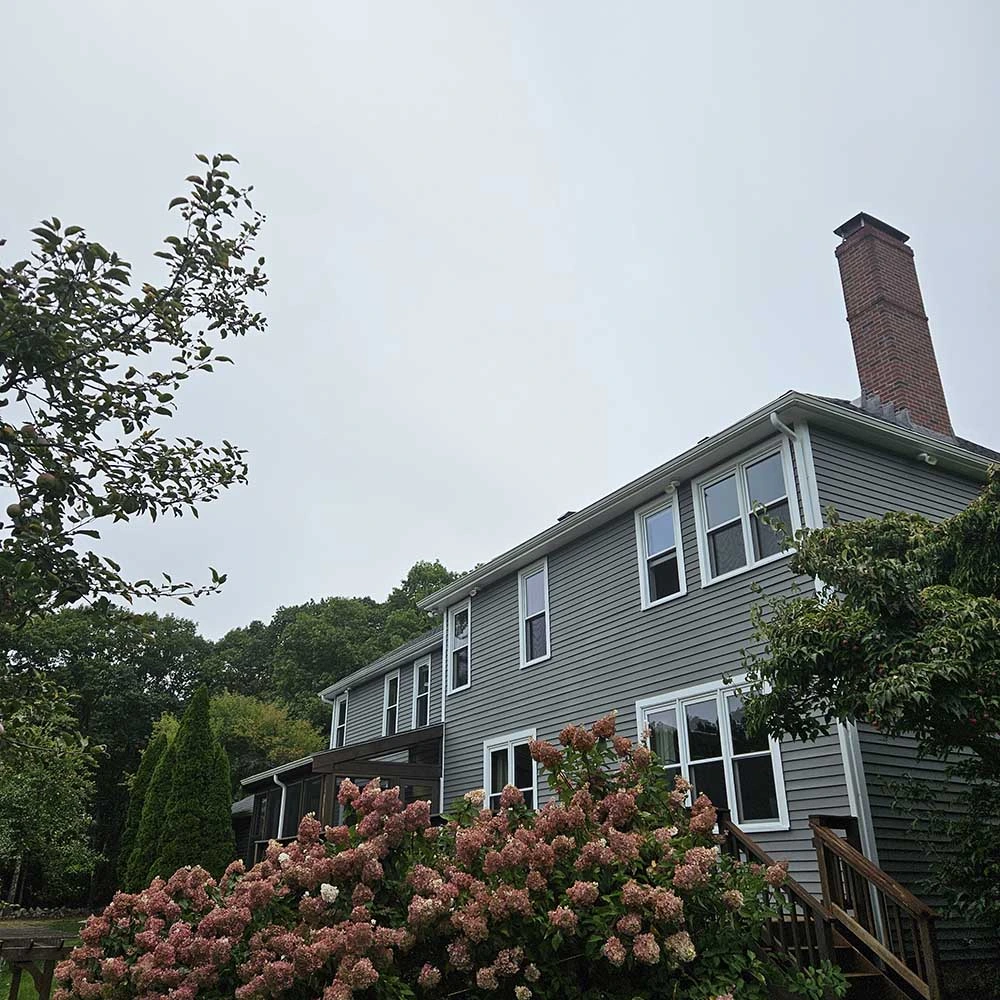
Vinyl cladding is one of the most common exterior materials used on homes across the United States. Homeowners like it because it is durable, low maintenance and resistant to moisture. But over time, colors fade, styles change and curb appeal becomes a priority. This leads to one important question many homeowners ask: can you paint vinyl cladding?
The short answer is yes. Vinyl cladding can be painted if it is done correctly. The key is understanding the material, preparing the surface properly and choosing the right type of paint. When the process is done with care, painted vinyl can look fresh, modern and professional while extending the life of your exterior.
For homeowners in Massachusetts, especially in areas like Hudson and surrounding towns, painting vinyl siding is often a cost effective alternative to full replacement. A professional painting company such as Pro A&M Painting regularly works with vinyl exteriors and understands the preparation and coatings required to achieve long lasting results.
This blog explains everything homeowners should know. We will cover when painting vinyl makes sense, the preparation steps required, the type of paint that works best and what to expect from the process.
Understanding Vinyl Cladding Before Painting
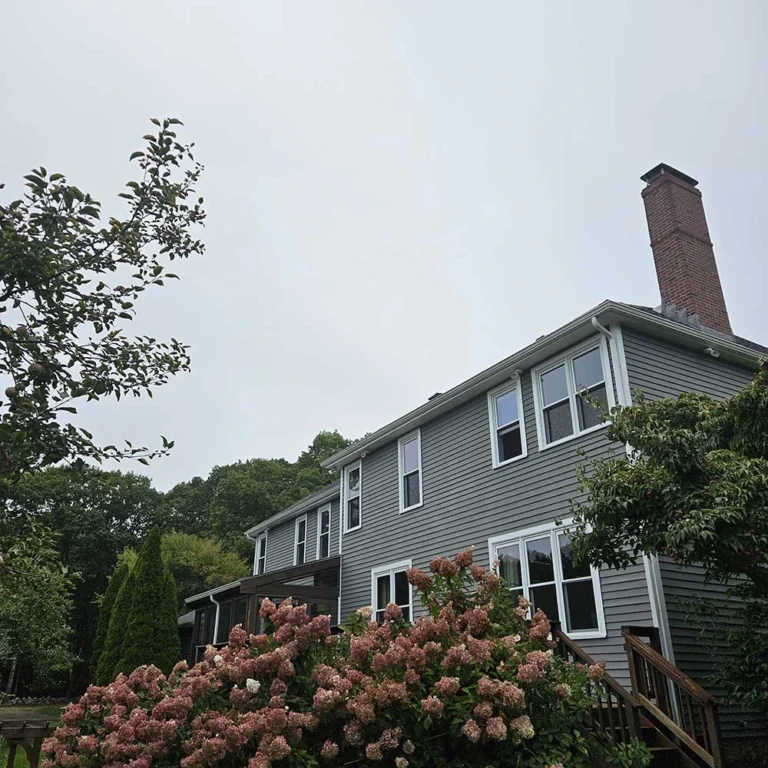
Before deciding whether can you paint vinyl cladding is the right solution for your home, it helps to understand how the material behaves. Vinyl siding expands and contracts as temperatures change. This movement affects how paint bonds and performs over time.
Modern exterior paints are designed to handle flexible surfaces. However, the wrong product or improper preparation can lead to peeling, warping or uneven color.
How Vinyl Cladding Reacts to Paint
Vinyl siding is made from polyvinyl chloride. It is manufactured with color integrated into the material. Because of this, the original finish does not require paint to protect the surface.
When paint is added later, it sits on top of the vinyl rather than being part of the material. That is why proper adhesion and flexible coatings are important. If the correct paint is used, the coating can move with the siding as temperatures shift.
Situations Where Painting Vinyl Makes Sense
Painting vinyl is a practical option in several situations.
- The siding color has faded from sun exposure.
- The homeowner wants a more modern exterior color.
- The siding is structurally sound but looks outdated.
- Replacement siding is outside the current renovation budget.
- The goal is to improve curb appeal before selling the home.
In many cases, painting can extend the life of siding that is still in good condition.
Situations Where Painting Is Not Recommended
Even though can you paint vinyl cladding has a positive answer in many cases, there are situations where painting should be avoided.
- The siding is cracked or brittle.
- There is moisture trapped behind panels.
- Severe warping is present.
- Mold or algae damage has penetrated the material.
- The siding is near the end of its lifespan.
When these issues are present, repair or replacement is usually the better investment.
Preparation Is the Most Important Step
When homeowners ask can you paint vinyl cladding, professionals focus first on preparation. Paint performance depends heavily on the condition of the surface. Skipping preparation leads to poor adhesion and shorter paint life.
Cleaning the Surface
Exterior siding collects dirt, pollen, mildew and pollution residue. Paint will not adhere properly to a contaminated surface.
Professional painters typically clean vinyl siding using a combination of washing solutions and controlled pressure washing.
The cleaning process removes
- Dirt and environmental buildup.
- Mildew and algae growth.
- Chalky oxidation from aging vinyl.
- Loose debris trapped in seams.
After cleaning, the siding must fully dry before painting begins.
Inspecting and Repairing the Siding
Before painting begins, experienced painters inspect the exterior carefully.
Areas commonly checked include
- Loose siding panels.
- Cracked sections.
- Trim joints and seams.
- Caulking around windows and doors.
- Nail holes and fasteners.
Minor repairs and fresh caulking help create a sealed surface that supports paint adhesion.
Light Surface Preparation
Unlike wood siding, vinyl does not usually require heavy sanding. However, light preparation may be done where needed.
This may include
- Light scuffing on glossy surfaces.
- Removing loose or peeling paint from previous coatings.
- Spot priming repaired areas.
Proper preparation ensures a smooth and consistent finish.
Choosing the Right Paint for Vinyl Cladding
One of the most critical factors when answering can you paint vinyl cladding is selecting the correct paint product. Not all exterior paints perform well on vinyl.
Paint technology has improved significantly over the past decade and many major manufacturers now produce coatings specifically designed for vinyl siding.
Features to Look for in Vinyl Safe Paint
The best exterior paints for vinyl include features that allow the coating to move with the siding.
Important characteristics include
- Acrylic latex formulas.
- Flexible coatings that resist cracking.
- UV resistant pigments.
- Strong adhesion to smooth surfaces.
- Color formulas designed for vinyl siding.
These paints maintain durability even through seasonal temperature changes.
Understanding Vinyl Safe Colors
Color selection is also important when painting vinyl. Darker colors absorb more heat from sunlight. If the color absorbs too much heat, it can cause vinyl siding to warp.
Modern paint brands now offer what are called vinyl safe colors. These pigments reflect more solar heat and reduce the risk of siding distortion.
Common Vinyl Safe Paint Colors
- Light gray.
- Soft beige.
- Warm white.
- Muted blue tones.
- Light sage green.
A professional painter can help homeowners choose colors that improve curb appeal while protecting the siding.
When Primer May Be Needed
Vinyl siding does not always require a full primer coat. Many high quality exterior paints are self priming. However, primer may still be used in certain cases.
Cases Where Professionals Use Primer
- Areas with previous paint failure.
- Repaired surfaces or patching.
- Heavy staining or discoloration.
- Transitioning from very dark to very light colors.
Primer improves consistency and helps the finish coat perform better.
Book Your Free Estimate Today!
Ready to transform your space? Our team is here to help you get started with a no-obligation, on-site estimate. Whether it’s a quick refresh or a full makeover, we’ll guide you every step of the way.
What Homeowners Should Expect From the Painting Process
Homeowners often ask can you paint vinyl cladding because they want a visual upgrade without a full renovation. Understanding the process helps set realistic expectations. Professional exterior painting typically follows a clear sequence to ensure quality results.
Steps in a Vinyl Siding Paint Project
A professional painting company usually follows these steps:
- Exterior inspection and siding evaluation.
- Cleaning and surface preparation.
- Repair and caulking of problem areas.
- Masking and protection of windows, landscaping and trim.
- Application of vinyl safe exterior paint.
- Final inspection and cleanup.
Depending on home size and weather conditions, most projects take several days.
Benefits of Painting Vinyl Cladding
When done correctly, painting vinyl offers several advantages.
Homeowners often experience
- Improved curb appeal.
- Updated exterior style.
- Increased home value perception.
- Extended siding lifespan.
- Lower cost compared to replacement.
For many homes in Massachusetts, painting vinyl siding is a practical upgrade that delivers noticeable visual improvement.
Maintenance After Painting
Painted vinyl siding still requires basic maintenance to keep it looking fresh.
Homeowners should plan for
- Periodic washing to remove dirt buildup.
- Inspecting caulking around trim and windows.
- Monitoring areas exposed to heavy sun.
- Minor touch ups when needed.
With proper care, a quality exterior paint system can last many years.
conclusion
So, can you paint vinyl cladding? Yes, you can. The key is proper preparation, the right paint products and experienced application techniques.
When vinyl siding is structurally sound, painting offers a practical way to modernize the look of a home without the cost of full replacement. It can restore faded siding, introduce updated color schemes and improve overall curb appeal.
However, success depends on preparation, paint selection and attention to detail during the application process. Professional painters understand how vinyl behaves in changing temperatures and how to apply coatings that perform well over time.
For homeowners who want a fresh exterior without replacing their siding, painting vinyl cladding remains one of the most efficient and cost effective solutions available.